Brush Removal in Maple Plain and The Twin Cities Metro, Minnesota
OR GIVE US A CALL
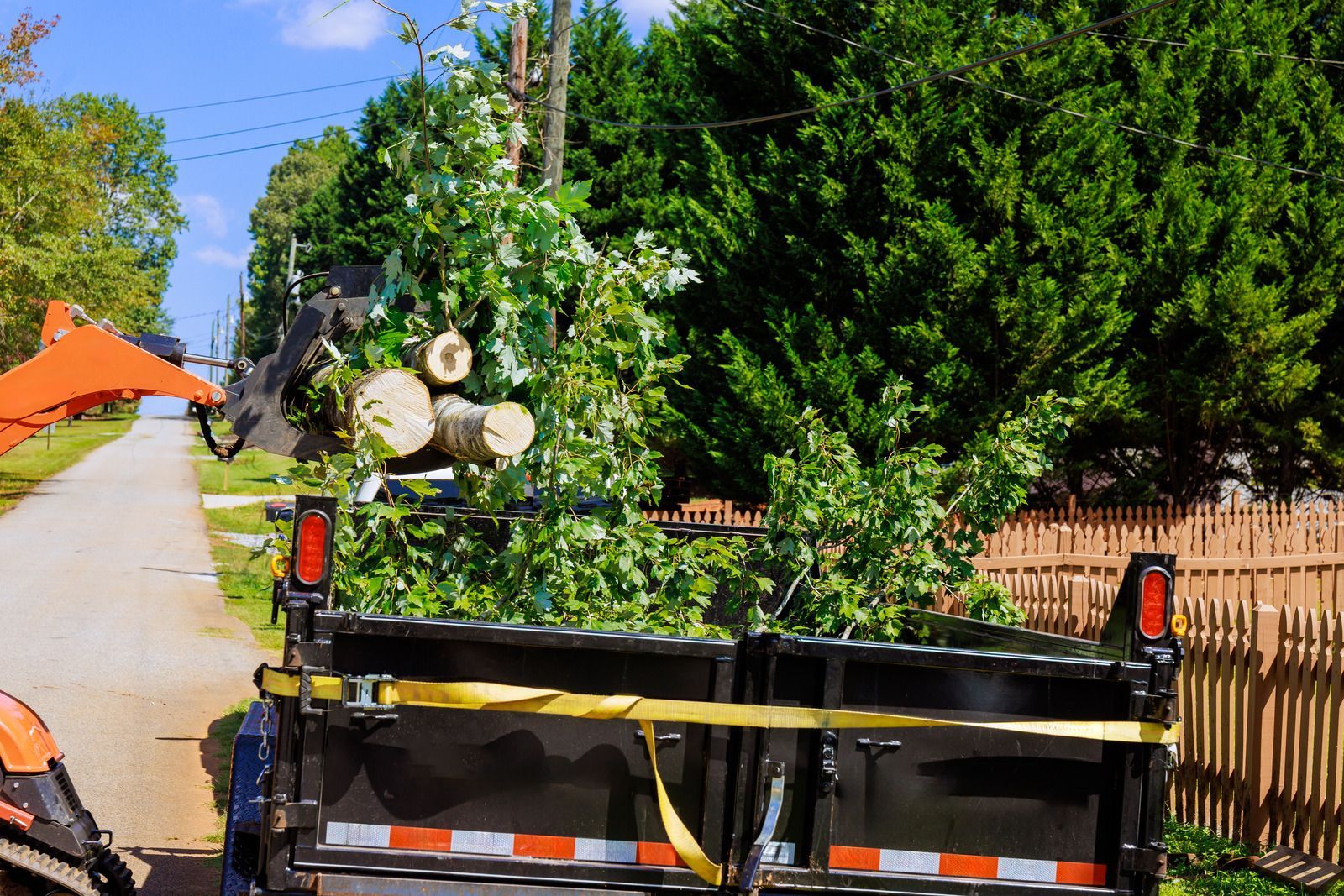
Strategic Brush Removal for Clear and Functional Landscapes
Overgrowth doesn’t happen all at once—it builds quietly, layer by layer, until access becomes restricted, visibility declines, and the land loses its structure. At TWIN PINES TREE CARE & LANDSCAPING, brush removal is approached as a controlled process designed to restore clarity and usability without disrupting the natural balance of the property. Every patch of dense vegetation, tangled undergrowth, and unmanaged growth is evaluated and removed with purpose. With over 25years of experience guiding our work, we focus on creating spaces that are not only cleared but organized for long-term performance.
We serve MMaple Plain and The Twin Cities Metro, Minnesota, as well as the surrounding areas including Delano, Medina, Orono, and Independence. Across Hennepin County and nearby regions, seasonal growth cycles, moisture levels, and varying soil conditions contribute to rapid vegetation spread. Without consistent management, brush can quickly overtake open areas, reduce accessibility, and create safety concerns. Addressing these local environmental factors ensures that brush removal is carried out in a way that aligns with long-term land use and regional conditions rather than short-term clearing alone.
Our approach is built on controlled removal, strategic planning, and attention to detail. From initial assessment to final clearing, every step is handled with precision. The result is a landscape that transitions from overgrown and restrictive to open, balanced, and ready for ongoing use without repeated intervention or unnecessary disruption. The goal is not simply to remove brush, but to reshape the land into something functional, stable, and ready for continued use. Start transforming your property today—reach out now to restore control, clarity, and long-term usability.
Our Brush Removal Services
Dense Vegetation Clearing
Dense vegetation clearing removes thick undergrowth that restricts movement and visibility. Each area is cleared systematically to restore open space while maintaining ground stability. The process ensures that land becomes functional and organized, allowing for improved access and ongoing maintenance without recurring overgrowth issues.
Overgrowth Control and Management
Overgrowth control focuses on preventing vegetation from spreading beyond manageable limits. By removing excessive growth and maintaining boundaries, the property remains balanced and accessible. This service supports long-term land usability while reducing the need for repeated, large-scale clearing efforts over time.
Lot and Property Clearing
Lot clearing prepares land for development or improved use by removing brush, debris, and unwanted vegetation. Each step is handled with precision to maintain soil integrity while creating a clean, stable surface. This ensures that properties are ready for construction, landscaping, or ongoing maintenance without obstruction.
Selective Brush Removal
Selective brush removal targets specific areas or types of vegetation while preserving desired plants and features. This approach allows for controlled clearing that aligns with property goals. The result is a balanced landscape that maintains important elements while eliminating unnecessary or disruptive growth.
Debris Collection and Removal
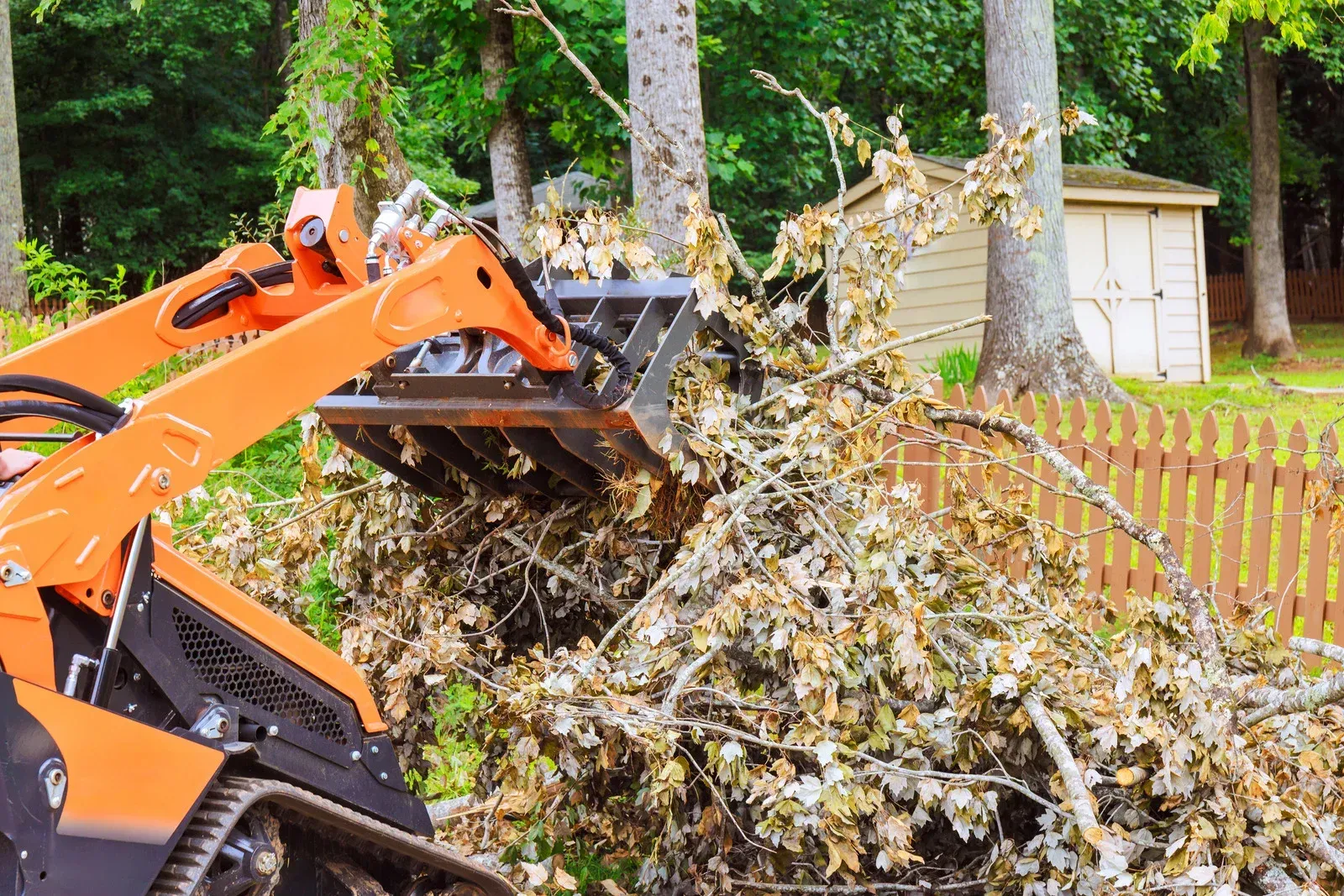
After clearing brush, all debris is collected and removed efficiently to restore a clean environment. This ensures that no leftover materials interfere with land use. The process leaves the property organized and ready for continued use, maintenance, or future improvements without additional cleanup requirements.
Preventative Vegetation Maintenance
Preventative maintenance focuses on keeping brush growth under control after initial clearing. Regular monitoring and targeted removal prevent overgrowth from returning. This service ensures that the property remains manageable, reducing the need for extensive clearing while supporting consistent land performance over time.
Benefits of Brush Removal
Improved Property Accessibility and Usability
Brush removal clears pathways, open areas, and access points that become restricted by dense vegetation. This process restores functionality across the property, allowing for easier movement, maintenance, and use. Removing overgrowth ensures that land remains practical, organized, and adaptable for ongoing residential or commercial needs.
Enhanced Safety and Visibility Across the Landscape
Dense brush can hide hazards, reduce visibility, and create unsafe conditions. Clearing these areas improves sightlines and eliminates hidden obstacles, making the environment safer for movement and daily use. This benefit supports both immediate safety and long-term property management without ongoing risks caused by unmanaged growth.
Prevention of Pest and Wildlife Infestation Risks
Overgrown vegetation creates ideal conditions for pests and unwanted wildlife. Removing brush eliminates shelter and breeding grounds, reducing infestations. This proactive approach protects surrounding areas and structures, ensuring that the property remains clean, controlled, and less vulnerable to ongoing pest-related issues or disruptions.
Support for Healthy Land and Vegetation Growth
Removing excess brush allows healthier plants and trees to thrive without competition for sunlight, nutrients, and space. This creates a balanced environment where vegetation grows more effectively. The result is improved land quality and a more sustainable landscape that supports long-term ecological stability.
Reduced Risk of Fire Hazards and Environmental Damage
Dry brush and dense undergrowth can increase fire risks, especially during warmer months. Clearing these materials reduces the likelihood of fire spread and minimizes potential damage. This benefit ensures that properties remain safer and better protected against environmental hazards caused by unmanaged vegetation.
Preparation for Construction and Landscaping Projects
Brush removal creates a clean, stable foundation for future development or landscaping. By clearing obstacles and leveling the ground, the land becomes ready for construction or design improvements. This ensures that projects can move forward efficiently without delays caused by unmanaged vegetation or uneven surfaces.
BENEFITS 1
Insert content
BENEFITS 2
Insert content
BENEFITS 3
Insert content
Eliminating Overgrowth to Restore Access and Property Balance
Managing vegetation requires consistency, awareness, and a clear plan for how land should function over time. In Maple Plain and The Twin Cities Metro, Minnesota, where seasonal growth and environmental conditions influence how quickly brush develops, maintaining control becomes essential for both safety and usability. At TWIN PINES TREE CARE & LANDSCAPING, brush removal is treated as an ongoing strategy rather than a one-time task. Each project is designed to create lasting results, ensuring that cleared areas remain stable, accessible, and aligned with future property use. By combining experience with precise execution, we deliver solutions that extend beyond immediate clearing. Our work supports long-term land performance, allowing properties to remain organized, functional, and prepared for whatever comes next without repeated disruption or unnecessary effort.
FAQ's
Got Questions? We’ve Got Answers.
What is brush removal and why is it important?
Brush removal involves clearing dense vegetation, shrubs, and undergrowth that restrict access and reduce usability. It is important because it improves safety, visibility, and land functionality. Removing excess growth also supports healthier vegetation and prevents long-term issues such as pest infestations or unmanaged land conditions
How often should brush removal be performed?
Brush removal frequency depends on growth rate, climate conditions, and property size. In many cases, annual or seasonal maintenance is sufficient to prevent overgrowth. Regular upkeep ensures that vegetation remains manageable, reducing the need for more extensive clearing and maintaining consistent property usability over time.
Does brush removal damage the soil or surrounding landscape?
When performed correctly, brush removal preserves soil integrity and protects surrounding areas. Proper techniques ensure that clearing does not disrupt the land unnecessarily. This approach maintains stability while removing unwanted vegetation, allowing the property to remain balanced and prepared for future use or development.
Can brush removal help with pest control?
Yes, removing dense vegetation eliminates hiding and breeding areas for pests and wildlife. This reduces infestations and improves overall property conditions. Keeping vegetation under control ensures that the environment remains clean, organized, and less susceptible to pest-related issues over time.
Is brush removal necessary before construction projects?
Brush removal is essential before construction because it clears obstacles and prepares the land for development. Removing vegetation ensures a stable foundation and allows projects to begin without delays. Proper clearing supports efficient planning and execution of construction or landscaping work
What equipment is used for brush removal?
Brush removal uses specialized equipment such as cutters, mulchers, and clearing tools designed to handle dense vegetation. These tools allow for efficient and controlled removal while minimizing disruption. The process ensures that all areas are cleared effectively and prepared for continued use or improvement
Why choose Twin Pines Tree Care & Landscaping in Maple Plain and The Twin Cities Metro, Minnesota?
Twin Pines Tree Care & Landscaping in Maple Plain and The Twin Cities Metro, Minnesota brings over 25 years of experience in managing vegetation and land clearing. Our approach focuses on precision, safety, and long-term results, ensuring that every brush removal project supports ongoing property usability without unnecessary disruption or repeated effort.
How does local climate affect brush growth in Maple Plain and The Twin Cities Metro, Minnesota?
In Maple Plain and The Twin Cities Metro, Minnesota, seasonal rainfall, temperature changes, and soil conditions contribute to rapid vegetation growth. Twin Pines Tree Care & Landscaping considers these factors when planning brush removal, ensuring that clearing methods align with local environmental conditions while maintaining long-term control and property stability.
BENEFITS 1
Insert content
BENEFITS 2
Insert content
BENEFITS 3
Insert content