
Tree Fertilization in Maple Plain and The Twin Cities Metro, Minnesota
OR GIVE US A CALL
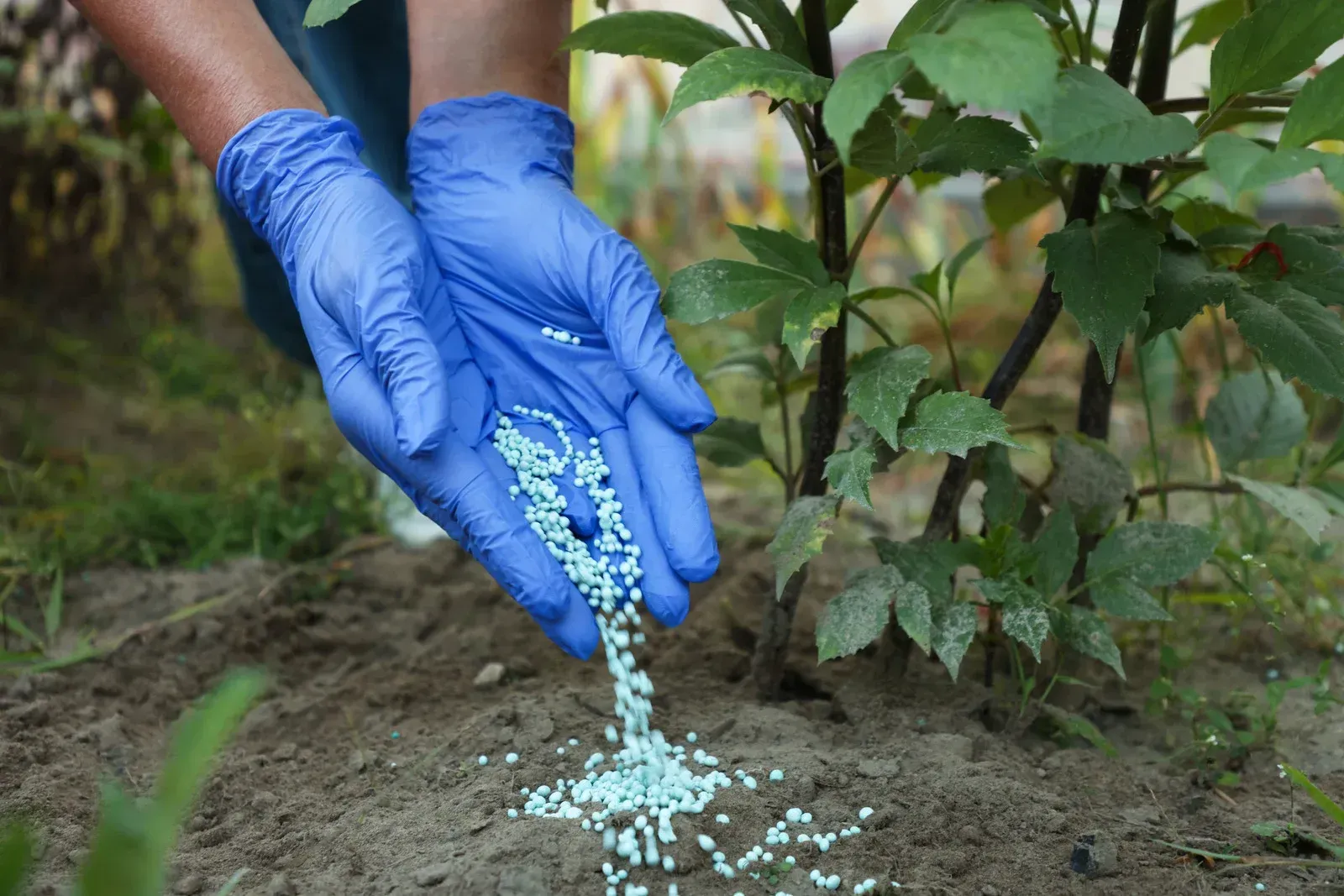
Targeted Tree Fertilization for Stronger Growth and Stability
Healthy trees are not sustained by appearance alone—they rely on balanced nutrients, stable soil conditions, and consistent care beneath the surface. At TWIN PINES TREE CARE & LANDSCAPING, tree fertilization is approached as a foundational process that supports long-term growth, resilience, and structural strength. With over 25 years of experience, we focus on enriching soil conditions to ensure trees receive the nutrients they need to thrive through changing seasons. Rather than surface-level improvements, our work targets root systems directly, reinforcing the unseen structure that determines overall tree health, stability, and longevity across residential and commercial properties.
We serve Maple Plain and The Twin Cities Metro, Minnesota, as well as the surrounding areas, including Delano, Medina, Orono, and Mound. Across Hennepin County and the western Minneapolis region, soil composition, seasonal temperature shifts, and moisture variability all influence how trees absorb nutrients. From compacted urban soils to nutrient depletion caused by construction and environmental stress, local conditions require a tailored fertilization approach. Tree fertilization in this region must align with these variables to ensure consistent growth and long-term sustainability.
Our process is methodical, data-driven, and designed for lasting impact. Each project begins with evaluating soil composition, root health, and nutrient deficiencies. By applying targeted treatments that support balanced growth, we ensure that trees remain strong, adaptable, and capable of withstanding environmental stress without requiring repeated corrective measures. Give your trees the foundation they need to thrive—schedule a professional tree fertilization assessment with us today.
Our Tree Fertilization Services
Deep Root Fertilization for Targeted Nutrient Delivery
Deep root fertilization delivers nutrients directly into the root zone, ensuring efficient absorption and minimal surface loss. This method improves nutrient distribution and supports stronger root systems. By focusing on subsurface application, it enhances overall tree health while maintaining soil structure and reducing external interference.
Soil Testing and Nutrient Analysis
Soil testing identifies nutrient deficiencies and imbalances that affect tree health. This data-driven approach allows for precise fertilization strategies tailored to specific conditions. By understanding soil composition, treatments can be applied effectively, ensuring that trees receive the correct nutrients needed for sustained growth and performance.
Seasonal Fertilization Programs for Year-Round Support
Seasonal fertilization aligns nutrient application with natural growth cycles, ensuring that trees receive support when they need it most. This structured approach enhances growth during active periods while reinforcing resilience during dormant seasons. Consistent scheduling ensures balanced development and long-term health across changing conditions.
Organic Fertilization for Sustainable Growth
Organic fertilization uses natural materials to improve soil health and nutrient availability. This method enhances microbial activity and supports long-term soil stability. By focusing on sustainable practices, it promotes healthier growth while maintaining environmental balance and reducing the impact of synthetic inputs on surrounding ecosystems.
Fertilization for Newly Planted Trees
Newly planted trees require additional nutrients to establish strong root systems. Targeted fertilization supports early development, ensuring that trees adapt effectively to their environment. This process reduces transplant stress and encourages stable growth, helping young trees develop the strength needed for long-term survival.
Recovery Fertilization for Stressed or Declining Trees
Trees affected by environmental stress, disease, or poor soil conditions benefit from recovery fertilization. This service focuses on restoring nutrient balance and supporting regrowth. By addressing deficiencies directly, it helps trees regain strength, improving overall health and reducing the risk of long-term decline or structural issues.
Benefits of Tree Fertilization
Promotes Stronger Root Development and Stability
Fertilization strengthens root systems by supplying essential nutrients that encourage deeper, more stable growth. Strong roots improve anchoring, allowing trees to better withstand environmental stress such as wind and soil movement. This foundation supports long-term stability and reduces the risk of structural weakness over time.
Enhances Overall Tree Health and Vitality
Balanced nutrient application improves internal tree functions, supporting leaf development, nutrient transport, and energy production. Healthier trees exhibit fuller canopies, stronger branches, and improved resistance to environmental stress. Fertilization ensures that trees maintain consistent vitality and structural integrity throughout their growth cycle.
Increases Resistance to Disease and Pests
Nutrient-rich trees are better equipped to defend against insects and disease. Fertilization strengthens natural defense mechanisms, reducing susceptibility to infestations and decay. This proactive approach minimizes long-term damage while maintaining the health and stability of the surrounding landscape environment.
Supports Consistent Growth and Canopy Development
Fertilization regulates growth patterns, ensuring that trees develop evenly and maintain balanced canopies. This controlled growth improves structural integrity while enhancing visual appeal. Consistent nutrient availability allows trees to grow predictably, reducing irregular development and minimizing the need for corrective pruning or structural adjustments later.
Improves Soil Quality and Nutrient Availability
Tree fertilization enhances soil composition by replenishing essential nutrients that may be depleted over time. Improved soil quality supports healthier root systems and better moisture retention. This creates a more stable environment for growth, ensuring that trees receive consistent nourishment throughout changing environmental conditions.
Extends Tree Lifespan and Long-Term Performance
Regular fertilization contributes to the longevity of trees by maintaining strong internal systems and structural integrity. By addressing nutrient deficiencies early, trees remain healthier for longer periods. This reduces the likelihood of decline and ensures that trees continue to perform effectively within the landscape over time.
BENEFITS 1
Insert content
BENEFITS 2
Insert content
BENEFITS 3
Insert content
Enhancing Soil Nutrients for Healthier Long-Term Tree Performance
Tree fertilization is a long-term strategy that directly supports the strength, stability, and resilience of your landscape. At TWIN PINES TREE CARE & LANDSCAPING, each fertilization plan is carefully designed to deliver the right nutrients at the root level, where they create the greatest impact. In Maple Plain and The Twin Cities Metro, Minnesota, changing soil conditions and seasonal cycles place continuous demands on tree health. A structured fertilization approach ensures trees receive consistent support, improving growth patterns, canopy development, and resistance to stress. By maintaining balanced nutrient levels and focusing on long-term performance, we help trees remain strong, visually balanced, and better prepared to adapt to environmental changes without ongoing decline or unnecessary corrective work.

FAQ's
Got Questions? We’ve Got Answers.
What is tree fertilization and why is it important?
Tree fertilization involves supplying essential nutrients to support healthy growth and structural stability. It is important because soil often lacks the nutrients needed for optimal tree health. Proper fertilization ensures that trees develop strong roots, maintain healthy canopies, and resist environmental stress over time.
How often should trees be fertilized?
Fertilization frequency depends on tree species, soil conditions, and environmental factors. Many trees benefit from annual or seasonal treatments aligned with growth cycles. Regular assessments help determine the appropriate schedule, ensuring that trees receive consistent nutrient support without over-application or imbalance.
Can fertilization help trees recover from damage?
Yes, fertilization can support recovery by providing nutrients that encourage regrowth and strengthen internal systems. While it does not repair physical damage directly, it improves the tree’s ability to heal and adapt. This helps restore overall health and reduces the impact of stress or environmental challenges.
What are signs that a tree needs fertilization?
Common signs include slow growth, discolored leaves, thinning canopies, and increased susceptibility to pests or disease. Soil conditions may also contribute to nutrient deficiencies. Identifying these indicators early allows for targeted fertilization, helping trees regain strength and maintain consistent performance over time.
Is fertilization safe for all types of trees?
Fertilization is generally safe when applied correctly and tailored to the specific needs of each tree. Different species require different nutrient balances, making it essential to use appropriate methods. Proper application ensures that trees benefit from fertilization without experiencing nutrient overload or imbalance.
How does soil condition affect fertilization results?
Soil condition directly impacts how nutrients are absorbed and utilized by trees. Compacted or nutrient-deficient soils limit effectiveness. Soil testing helps identify these issues, allowing for adjustments that improve absorption. This ensures that fertilization delivers measurable benefits and supports long-term tree health and stability.
Why choose Twin Pines Tree Care & Landscaping in Maple Plain and The Twin Cities Metro, Minnesota?
Choosing Twin Pines Tree Care & Landscaping in Maple Plain and The Twin Cities Metro, Minnesota ensures that tree fertilization is handled with precision and local expertise. With over 25 years of experience, every treatment is tailored to regional soil conditions, ensuring that trees receive effective, long-lasting nutrient support.
What makes professional fertilization more effective than DIY methods?
Professional fertilization uses targeted application methods and data-driven analysis to deliver accurate results. At Twin Pines Tree Care & Landscaping in Maple Plain and The Twin Cities Metro, Minnesota, treatments are based on soil conditions and tree health, ensuring that nutrients are applied effectively for long-term growth, stability, and performance.
BENEFITS 1
Insert content
BENEFITS 2
Insert content
BENEFITS 3
Insert content