
Pest & Insect Control in Maple Plain and The Twin Cities Metro, Minnesota
OR GIVE US A CALL
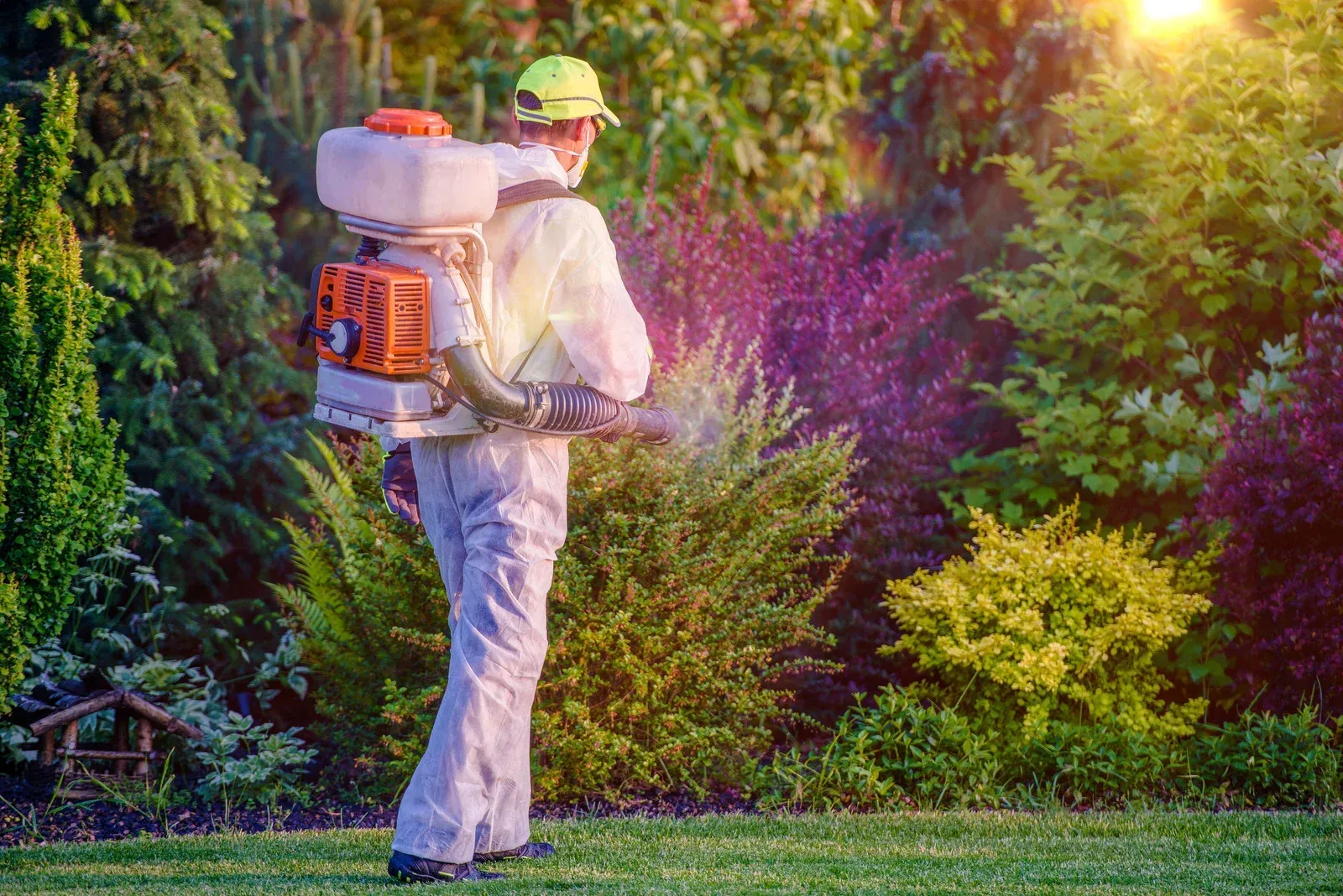
Targeted Control Strategies That Protect Landscapes and Property Integrity
Pest activity rarely begins at the surface—it develops quietly, spreads gradually, and disrupts both landscape health and structural stability before it becomes visible. At TWIN PINES TREE CARE & LANDSCAPING, pest and insect control is approached as a system-driven process that focuses on identification, containment, and long-term prevention. Each treatment plan is built on understanding how pests interact with soil, vegetation, and environmental conditions, ensuring that solutions are not temporary but structured for lasting control. By addressing root causes rather than symptoms, we create outdoor environments that remain stable, balanced, and resistant to recurring infestations.
We serve Maple Plain and The Twin Cities Metro, Minnesota, as well as the surrounding areas, including Delano, Orono, Medina, and Wayzata. Across Hennepin County and neighboring regions, seasonal humidity, dense vegetation, and fluctuating temperatures create ideal conditions for insects such as ants, beetles, and wood-boring pests. These regional patterns require consistent monitoring and adaptive treatment strategies that respond to changing environmental pressures throughout the year.
Our approach emphasizes precision, timing, and environmental awareness. Instead of applying broad treatments, we focus on targeted solutions that minimize disruption while maximizing effectiveness. By combining careful inspection with controlled application methods, we ensure that pest populations are managed efficiently, protecting both the landscape and the structural elements of the property over time. Take control of your landscape before pests take over—schedule a targeted pest assessment today and keep your property protected, balanced, and performing at its best year-round.
Our Pest & Insect Control Services
Comprehensive Pest Inspection and Assessment
A detailed inspection identifies pest activity, entry points, and environmental conditions contributing to infestations. This service establishes a clear understanding of the problem, allowing for targeted treatment plans that address both immediate concerns and long-term prevention strategies across the entire property.
Targeted Insect Treatment Applications
Treatment applications focus on eliminating specific pest populations using controlled methods. By applying solutions directly to affected areas, this service ensures effective results while minimizing disruption to surrounding vegetation and maintaining the overall balance of the landscape environment.
Soil and Root Zone Pest Control
Pests that affect soil and root systems can compromise plant stability and growth. This service targets underground activity, protecting roots from damage and ensuring that soil conditions remain supportive of healthy vegetation and long-term landscape performance.
Tree and Shrub Pest Protection Services
Insects that attack trees and shrubs can cause visible damage and long-term decline. Protective treatments safeguard vegetation, maintaining structural strength and promoting healthy growth while preventing the spread of infestations throughout the landscape.
Seasonal Pest Management Programs
Seasonal programs adapt to changing environmental conditions, addressing pest activity throughout the year. This service ensures consistent monitoring and treatment, preventing infestations before they escalate and maintaining stable, controlled outdoor environments across all seasons.
Preventative Barrier Treatments for Properties
Barrier treatments create a protective zone that deters pests from entering or spreading within a property. This service focuses on long-term prevention, reducing the likelihood of infestations and maintaining a controlled environment that supports ongoing landscape and structural stability.
Benefits of Pest & Insect Control
Prevention of Structural and Landscape Damage
Pest and insect control protects trees, soil, and nearby structures from long-term damage caused by burrowing, feeding, and nesting. Early intervention prevents deterioration of wood, roots, and surfaces, ensuring that both landscapes and property features remain intact and structurally reliable over extended periods.
Reduction of Health and Safety Risks
Insects can pose risks through bites, stings, and the spread of harmful bacteria. Effective control reduces exposure to these hazards, creating safer outdoor environments for daily use while maintaining a controlled space that minimizes unwanted interactions between people and pest populations
Long-Term Infestation Control and Stability
Structured pest management eliminates active infestations while preventing future outbreaks. By addressing breeding areas and environmental factors, this approach ensures long-term stability, reducing the likelihood of recurring issues and maintaining a consistent balance within the landscape over time.
Improved Plant Health and Growth Conditions
Insects can weaken plants by feeding on leaves, stems, and roots. Pest control protects vegetation from damage, allowing plants to grow stronger and healthier. This contributes to a more resilient landscape that maintains its appearance and functionality throughout seasonal changes.
Targeted Treatment with Minimal Environmental Impact
Modern pest control focuses on precise application methods that limit unnecessary exposure. By targeting specific pest populations, treatments are more efficient and reduce disruption to surrounding plants and soil, supporting a balanced and sustainable outdoor environment.
Enhanced Property Maintenance and Efficiency
Controlling pests reduces the need for repeated repairs and corrective work. By preventing damage and maintaining stability, property upkeep becomes more efficient, allowing landscapes and structures to function consistently without unexpected disruptions caused by infestations or environmental imbalance.
BENEFITS 1
Insert content
BENEFITS 2
Insert content
BENEFITS 3
Insert content
Preventing Damage Through Consistent Monitoring and Targeted Treatments
Pest control extends beyond simple removal; it requires maintaining equilibrium within a landscape that evolves with seasons and environmental shifts. At TWIN PINES TREE CARE & LANDSCAPING, our work in Maple Plain and The Twin Cities Metro, Minnesota, is guided by precision, consistency, and a commitment to long-term protection. Each solution is designed to manage pest activity while preserving the natural structure of the surrounding environment. By focusing on targeted treatments and preventative strategies, we reduce recurring issues and support sustained property performance. Every step is carefully executed to enhance efficiency, minimize risks, and ensure that outdoor spaces remain usable and visually consistent. Through a structured, detail-focused approach, we deliver pest control solutions that adapt to changing conditions, protect vegetation and structures, and keep landscapes stable, efficient, and consistently well-managed over time.
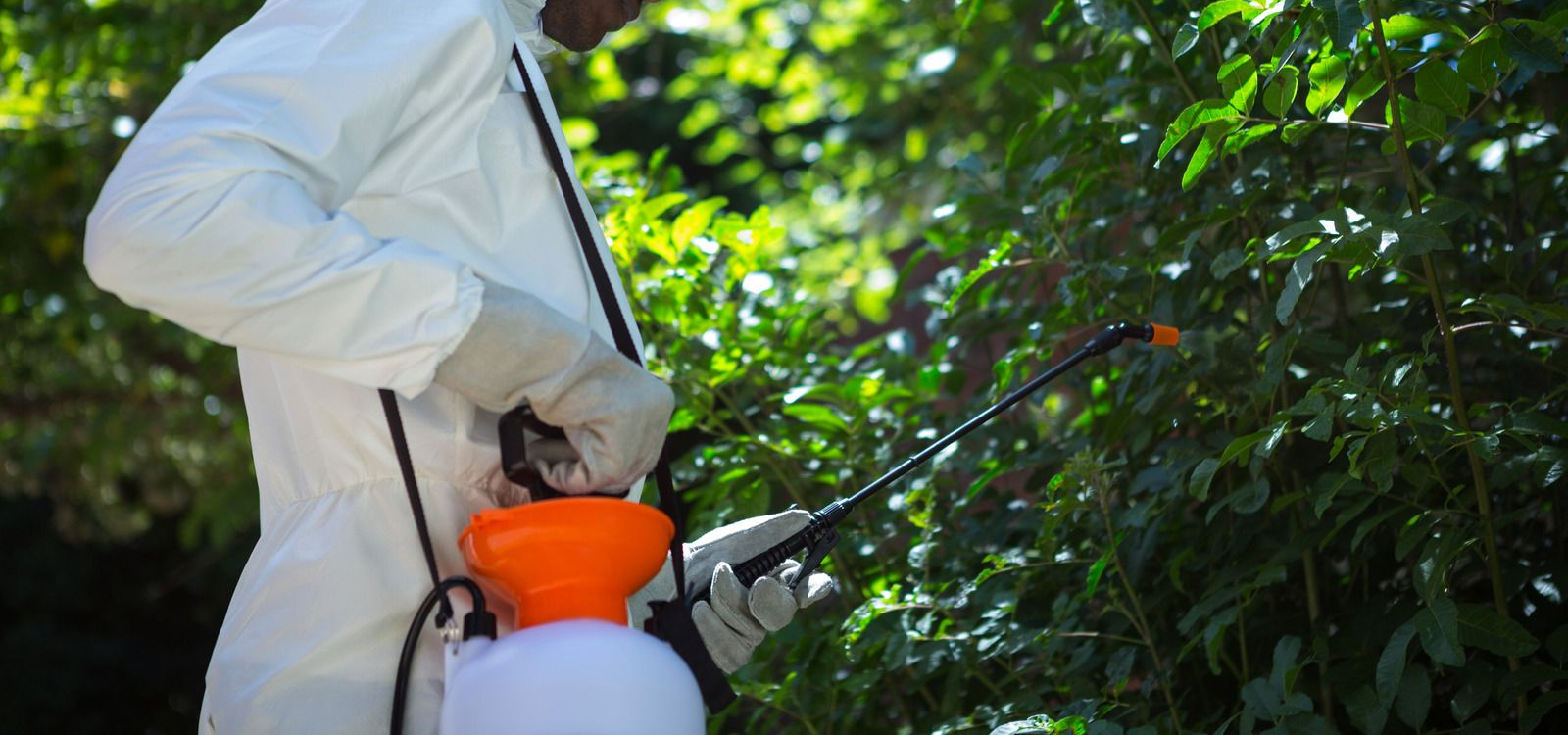
FAQ's
Got Questions? We’ve Got Answers.
What types of pests are commonly controlled with this service?
Common pests include ants, beetles, termites, and other insects that affect soil, plants, and structures. Pest control services are designed to target a wide range of species, ensuring that infestations are managed effectively while preventing damage to both landscapes and nearby property features.
How often should pest control treatments be performed?
Treatment frequency depends on environmental conditions, pest activity, and property needs. Many properties benefit from seasonal or routine applications to maintain control. Regular monitoring ensures that treatments are applied at the right time to prevent infestations and maintain consistent landscape stability.
Is pest control safe for plants and surrounding areas?
Modern pest control methods are designed to minimize impact on plants and soil. Targeted applications focus on affected areas, reducing unnecessary exposure. This approach ensures that treatments are effective while maintaining the health and balance of the surrounding environment.
Can pest control prevent future infestations?
Yes, preventative treatments and monitoring reduce the likelihood of future infestations. By addressing breeding areas and environmental factors, pest control creates conditions that are less favorable for insects, helping to maintain long-term stability and reducing recurring issues over time.
What signs indicate a pest infestation?
Signs include visible insect activity, damaged plants, holes in wood, or unusual soil disturbances. Early detection is important to prevent further spread. Identifying these indicators allows for timely intervention and effective treatment that protects both the landscape and property.
Do you provide pest control services in Maple Plain and The Twin Cities Metro, Minnesota?
Yes, Twin Pines Tree Care & Landscaping provides pest and insect control services in Maple Plain and The Twin Cities Metro, Minnesota, focusing on structured treatment plans that ensure long-term results. Each approach is designed to protect landscapes and maintain stable outdoor environments through consistent monitoring and targeted solutions.
How does pest control support tree and plant health?
Pest control prevents insects from feeding on or damaging plants, allowing vegetation to grow stronger and healthier. By protecting roots, leaves, and stems, this service ensures that plants remain resilient and capable of withstanding environmental stress while maintaining consistent growth patterns.
Why choose professional pest control services?
Professional pest control ensures accurate identification, targeted treatment, and long-term prevention. In Maple Plain and The Twin Cities Metro, Minnesota, Twin Pines Tree Care & Landscaping applies structured methods that deliver consistent results, protecting landscapes and property while maintaining a balanced and controlled outdoor environment.
BENEFITS 1
Insert content
BENEFITS 2
Insert content
BENEFITS 3
Insert content