
Tree Trimming & Pruning in Maple Plain and The Twin Cities Metro, Minnesota
OR GIVE US A CALL
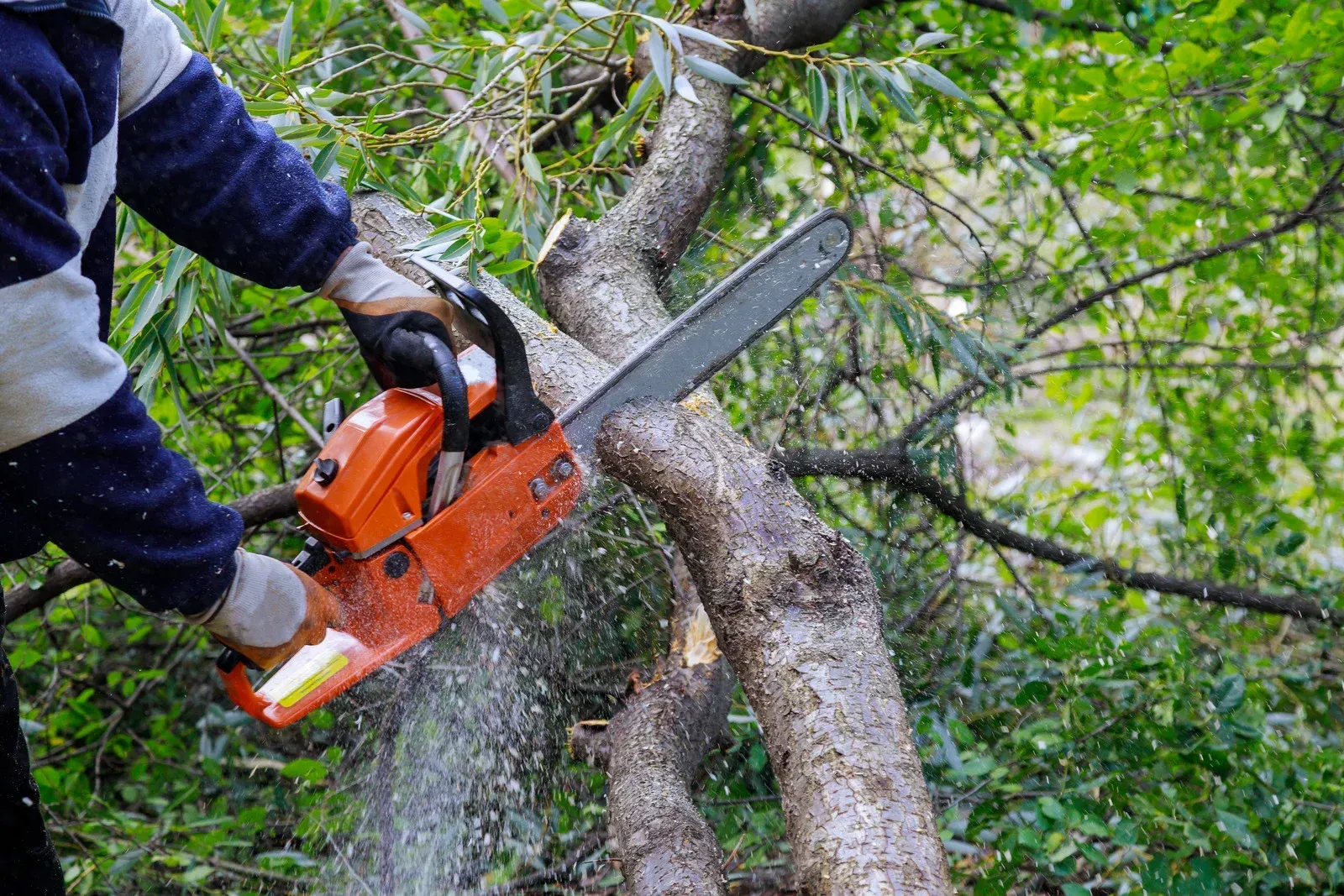
Precision Tree Trimming for Balanced Growth and Structure
Tree care is not a surface-level task—it is a precise, ongoing process that influences how trees grow, adapt, and endure environmental stress over time. At TWIN PINES TREE CARE & LANDSCAPING, tree trimming and pruning are handled with a disciplined approach rooted in structural awareness and biological understanding. With more than 25 years of hands-on experience, every cut is made with purpose, guiding healthier development while preserving the natural strength, balance, and appearance of each tree across its lifespan.
We serve Maple Plain and The Twin Cities Metro, Minnesota, along with surrounding areas including Delano, Orono, Medina, and Independence. Throughout Hennepin County and nearby communities, trees face constant pressure from shifting seasons, including heavy winter snow loads, strong summer storms, and fluctuating temperatures. These conditions can cause unchecked growth, weakened limbs, and canopy imbalance. Without proper trimming and pruning, trees become increasingly vulnerable to breakage, disease, and long-term structural decline that affects both safety and landscape performance.
Our approach is built on precision, timing, and long-term results. Every pruning decision is made to improve structural integrity, enhance airflow, and maintain proper canopy balance. By removing compromised branches and guiding growth patterns, we reduce strain while supporting natural development. The outcome is a more stable, resilient tree that performs consistently through seasonal changes. Instead of reactive maintenance, this process creates a proactive system where trees remain strong, visually balanced, and capable of withstanding environmental challenges without unnecessary deterioration or repeated intervention over time.
Our Tree Trimming & Pruning Services
Crown Thinning
Crown thinning involves selectively removing interior branches to reduce density without altering the tree’s overall shape. This improves light penetration and airflow, reducing disease risk while maintaining structural integrity and allowing the canopy to function more efficiently under changing environmental conditions.
Crown Raising
Crown raising focuses on removing lower branches to create clearance for pedestrians, vehicles, and structures. This process enhances accessibility while maintaining balance in the upper canopy, ensuring the tree remains stable and visually proportioned without unnecessary removal of essential growth.
Crown Reduction
Crown reduction reduces the overall size of a tree by carefully trimming back dominant branches. This method is used to manage height and spread while preserving natural form, helping prevent interference with structures, utilities, and surrounding landscape elements.
Deadwood Removal
Deadwood removal targets branches that are no longer living and pose a risk of falling. Eliminating these limbs improves safety, reduces decay spread, and enhances the tree’s appearance while allowing healthy portions of the canopy to receive more resources.
Structural Pruning
Structural pruning is performed on younger or developing trees to guide growth patterns. By removing competing leaders and poorly positioned branches, this process establishes a strong framework early, reducing future maintenance needs and improving long-term stability.
Seasonal Maintenance Pruning
Seasonal pruning ensures trees remain balanced and healthy throughout the year. Adjustments are made based on growth cycles, weather conditions, and environmental stress, helping trees adapt to seasonal changes while maintaining consistent performance and structural reliability
Benefits of Tree Trimming & Pruning
Improved Structural Strength
Proper trimming redistributes weight across the tree, reducing strain on major limbs and minimizing the risk of breakage. By removing weak or competing branches, the tree develops a stronger, more stable framework that supports long-term growth and resilience under environmental pressure.
Enhanced Safety Conditions
Overgrown or damaged branches can pose serious hazards to people, structures, and nearby utilities. Strategic pruning eliminates unstable limbs and reduces the likelihood of falling debris, creating a safer environment while maintaining clearances around buildings, driveways, and walkways.
Healthier Growth Patterns
Pruning encourages controlled growth by removing diseased, dead, or overcrowded branches. This improves airflow and sunlight penetration throughout the canopy, helping trees resist pests, reduce fungal issues, and develop stronger, more sustainable growth over time.
Improved Aesthetic Appearance
Well-maintained trees contribute significantly to overall property presentation. Careful trimming enhances natural shape, removes irregular growth, and creates a balanced canopy that complements the surrounding landscape, improving visual consistency without compromising the tree’s integrity or natural structure.
Reduced Storm Damage Risk
Thinning dense canopies allows wind to pass through more easily, reducing resistance during storms. This decreases the chance of limb failure and structural damage, helping trees withstand high winds, heavy snow loads, and seasonal weather extremes more effectively.
Extended Tree Lifespan
Consistent pruning supports long-term vitality by preventing decay, minimizing stress, and promoting healthy growth cycles. By addressing issues early and maintaining structural balance, trees are better equipped to thrive for decades without premature decline or costly removals.
BENEFITS 1
Insert content
BENEFITS 2
Insert content
BENEFITS 3
Insert content
Promoting Healthier Trees Through Consistent Pruning Practices
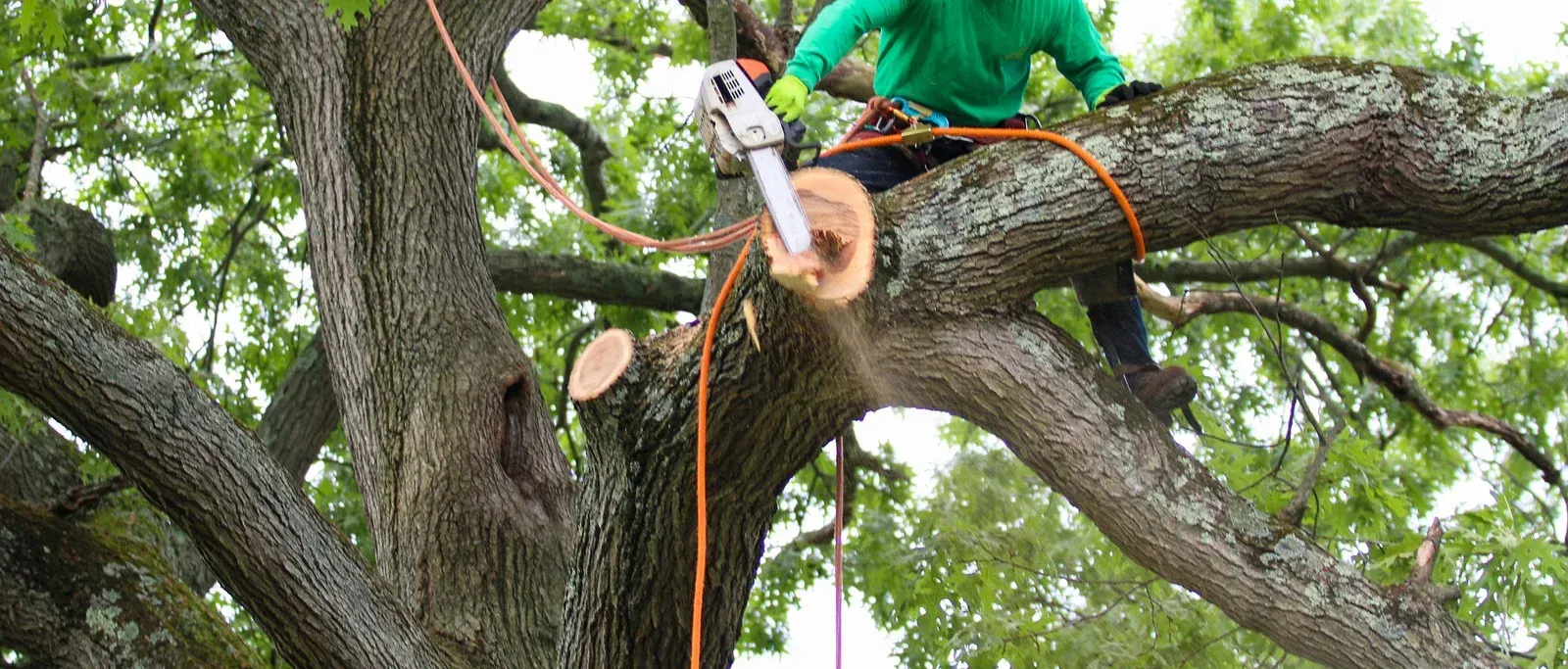
Tree trimming and pruning are essential for maintaining the balance between growth, safety, and long-term performance. At TWIN PINES TREE CARE & LANDSCAPING, every project is approached with precision, ensuring that each tree is shaped to withstand environmental stress while maintaining its natural strength and appearance. In Maple Plain and The Twin Cities Metro, Minnesota, where seasonal changes and weather extremes influence tree health, structured care becomes a critical part of property maintenance. By focusing on proper technique, timing, and long-term outcomes, we ensure that every tree continues to grow with stability and purpose. The result is a landscape that not only looks refined but functions reliably over time, supporting safety, visual consistency, and lasting environmental value without unnecessary intervention or recurring issues.
FAQ's
Got Questions? We’ve Got Answers.
How often should tree trimming and pruning be done?
Tree trimming frequency depends on species, growth rate, and environmental conditions. Most trees benefit from pruning every one to three years. Regular evaluation ensures that structural issues, deadwood, and overcrowding are addressed before they become larger problems, helping maintain health, safety, and consistent growth without unnecessary stress on the tree.
What is the difference between trimming and pruning?
Trimming focuses on maintaining shape and controlling overgrowth, while pruning is more targeted toward improving tree health and structure. Pruning removes diseased, damaged, or poorly positioned branches, whereas trimming is often used for aesthetic and clearance purposes. Both processes work together to support long-term tree performance and stability
When is the best time of year for pruning?
The ideal time for pruning depends on the tree species, but late winter or early spring is generally preferred. During dormancy, trees experience less stress, and visibility of branch structure is improved. However, certain situations, such as storm damage or safety concerns, require immediate attention regardless of the season
Can improper pruning harm a tree?
Yes, incorrect pruning techniques can weaken a tree, cause unnecessary stress, and increase susceptibility to disease. Over-pruning or cutting in the wrong areas disrupts growth patterns and structural balance. Proper methods ensure that each cut supports healing, maintains strength, and encourages healthy development rather than causing long-term damage
Why is crown thinning important for tree health?
Crown thinning reduces canopy density, allowing better airflow and sunlight penetration. This helps prevent fungal growth, improves leaf health, and reduces the likelihood of branch failure during storms. By maintaining a balanced canopy, the tree can distribute resources more effectively and remain structurally stable under varying conditions.
Do all trees require regular pruning?
Not all trees require frequent pruning, but most benefit from periodic maintenance. Young trees need structural pruning to guide growth, while mature trees require occasional trimming to remove deadwood and maintain balance. Evaluating each tree individually ensures that care is applied only when necessary and in the most effective way.
How does pruning improve safety around a property?
Pruning removes hazardous branches that could fall and cause injury or damage. It also creates necessary clearance around buildings, driveways, and power lines. Twin Pines Tree Care & Landscaping in Maple Plain and The Twin Cities Metro, Minnesota ensures that trimming is performed with safety as a priority, reducing risks while maintaining tree health and structure.
What signs indicate a tree needs pruning?
Signs include dead or hanging branches, dense or overcrowded canopies, uneven growth, and limbs interfering with structures. Trees showing reduced vitality or visible damage also require attention. Twin Pines Tree Care & Landscaping in Maple Plain and The Twin Cities Metro, Minnesota evaluates these indicators to determine the appropriate pruning approach for long-term results.
BENEFITS 1
Insert content
BENEFITS 2
Insert content
BENEFITS 3
Insert content