
Tree Removal in Maple Plain and The Twin Cities Metro, Minnesota
OR GIVE US A CALL
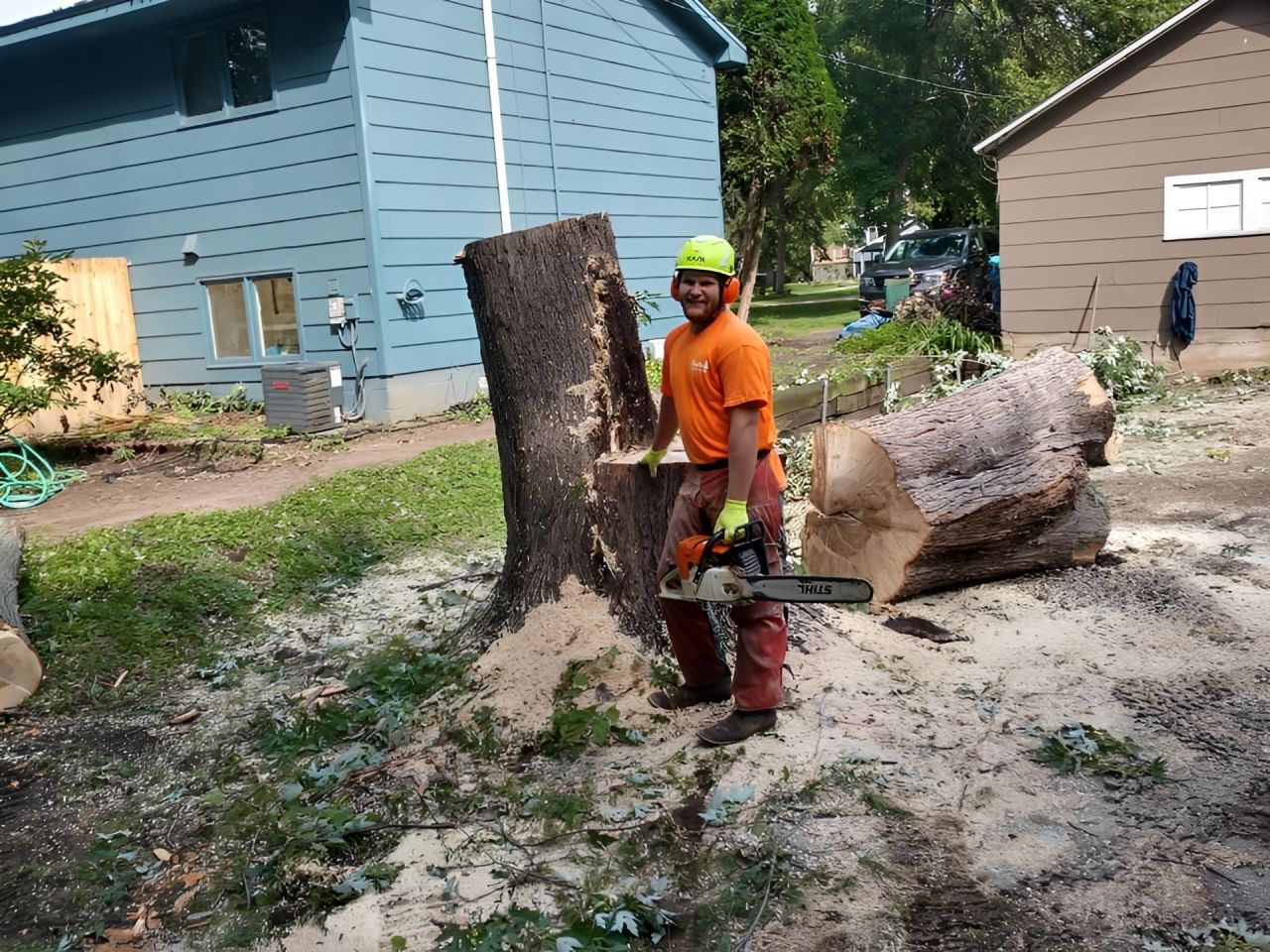
Safe Tree Removal Solutions for Complex Property Conditions
Tree removal is never just about cutting—it is about restoring balance, protecting property, and creating space that functions better long term. TWIN PINES TREE CARE & LANDSCAPING, every removal begins with a clear understanding of structure, surroundings, and future land use. Trees that outgrow their environment, suffer storm damage, or develop internal decay can quickly become liabilities. Our approach focuses on eliminating risk while preserving the integrity of everything around it. From tight residential spaces to larger open properties, each removal is carried out with careful planning, controlled execution, and attention to long-term results.
We serve Maple Plain and The Twin Cities Metro, Minnesota, as well as the surrounding areas including Delano, Orono, Medina, and Independence. Across Hennepin County and nearby regions, seasonal shifts, heavy snow loads, strong winds, and fluctuating temperatures all impact tree stability. These conditions often accelerate structural weaknesses, making timely removal essential. Local soil composition and moisture variations also influence root systems, requiring a tailored approach that reflects how trees interact with the environment throughout the year.
Our process centers on precision, safety, and efficiency. Every tree is assessed for lean, root stability, and surrounding obstacles before removal begins. By focusing on controlled dismantling rather than quick cuts, we ensure that each project protects nearby structures, maintains ground stability, and leaves the site clean, level, and ready for what comes next. Take control of your property’s safety and structure—schedule a professional tree removal assessment today.
Our Tree Removal Services
Hazardous Tree Removal and Risk Management
Hazardous trees with structural instability, severe lean, or internal decay are removed using controlled techniques that minimize impact on surrounding areas. Each removal is carefully planned to prevent damage, ensuring safety while addressing immediate risks and restoring stability across the property without unnecessary disruption to nearby structures or landscaping
Large Tree Dismantling in Confined Spaces
Large trees located near buildings, fences, or utility lines require sectional dismantling rather than direct cutting. This method allows controlled removal in stages, ensuring precision and safety while protecting surrounding structures. Each section is lowered carefully, maintaining control throughout the process and reducing the risk of unintended impact or damage.
Storm-Damaged Tree Removal and Cleanup
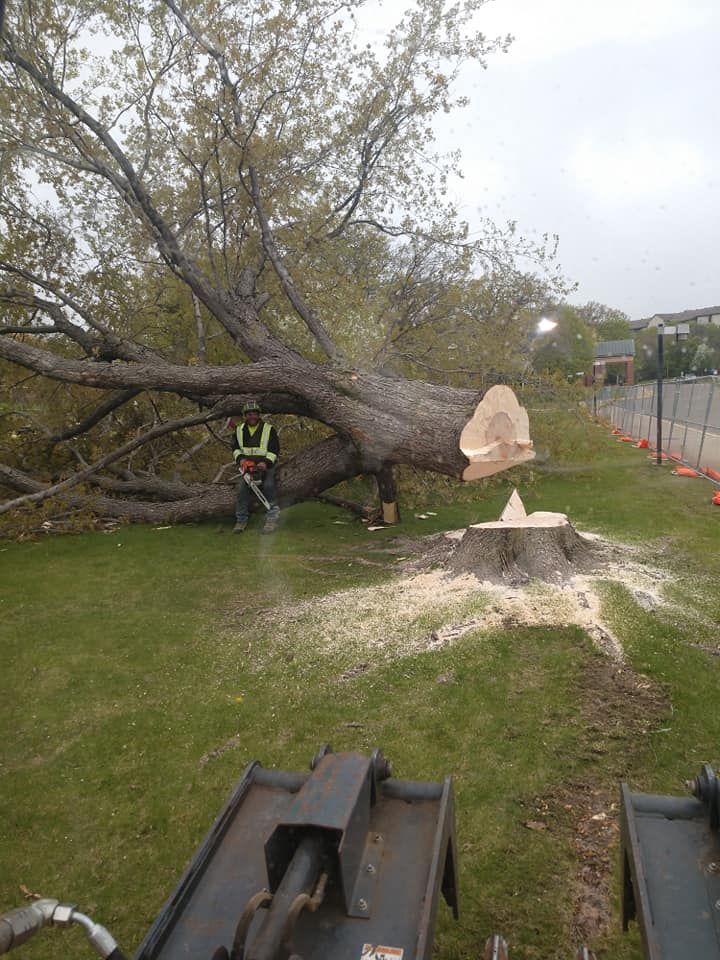
Storm events often leave trees partially broken, uprooted, or structurally compromised. Removing these trees requires immediate attention and careful handling to prevent further hazards. The process focuses on stabilizing affected areas, clearing debris efficiently, and restoring the property to a safe and functional condition after severe weather impact.
Dead Tree Removal and Environmental Restoration
Dead trees pose ongoing risks due to weakened structure and unpredictable breakage. Removing them improves safety and supports environmental balance by preventing decay-related issues. The process ensures complete removal while preserving surrounding soil conditions, allowing the landscape to recover and function without interference from deteriorating tree remains
Selective Tree Removal for Landscape Optimization
Selective removal focuses on improving spacing, light distribution, and overall landscape function. By removing specific trees that hinder growth or create imbalance, the remaining environment becomes healthier and more efficient. This approach supports long-term planning while maintaining a structured, visually consistent, and practical outdoor space for ongoing use.
Root and Base-Level Clearing After Tree Removal
After a tree is removed, remaining roots and base structures can interfere with land use and surface stability. Clearing these elements ensures a level surface, prevents regrowth, and prepares the area for future landscaping, construction, or restoration projects while maintaining proper ground conditions and overall usability of the space.
Benefits of Professional Tree Removal
Enhanced Property Safety and Risk Reduction
Removing unstable or damaged trees significantly reduces the risk of falling limbs, structural collapse, and property damage. Professional removal ensures hazards are addressed before they escalate, protecting buildings, vehicles, and surrounding landscapes while maintaining a safer environment for daily use and long-term property security and stability.
Improved Structural Integrity of Surrounding Landscape
Tree removal helps restore balance across the property by eliminating root interference, overcrowding, and uneven weight distribution. This allows nearby trees, plants, and structures to remain stable while preventing soil disruption, foundation stress, and drainage complications that can develop over time without proper intervention or management.
Increased Sunlight and Airflow Across the Property
Removing dense or poorly positioned trees opens up the landscape, allowing more sunlight and natural airflow to reach surrounding areas. This improves plant health, reduces moisture buildup, and enhances overall environmental conditions, creating a more balanced and functional outdoor space that supports long-term growth and usability.
Prevention of Pest Infestations and Tree Disease Spread
Diseased or decaying trees often attract pests and contribute to the spread of infections to nearby vegetation. Removing affected trees helps contain these issues, protecting surrounding plant life and maintaining the health of the broader landscape while reducing the risk of recurring infestations and environmental damage over time.
Clear Space for Development and Property Improvements
Tree removal creates usable space for construction, landscaping upgrades, and outdoor improvements. By eliminating obstacles and clearing the area efficiently, the land becomes more adaptable for new projects, ensuring that future development can proceed without structural interference or unnecessary limitations caused by existing tree placement.
Long-Term Cost Efficiency Through Preventative Action
Addressing problematic trees early prevents costly damage repairs, emergency removals, and ongoing maintenance issues. Professional removal focuses on long-term results, reducing the likelihood of repeated expenses while ensuring that the property remains stable, functional, and easier to manage without unexpected disruptions or structural complications later.
BENEFITS 1
Insert content
BENEFITS 2
Insert content
BENEFITS 3
Insert content
Clearing Space While Protecting Surrounding Property Integrity
Tree removal is a turning point for any property—it defines how space is used, how structures are protected, and how the landscape evolves over time. At TWIN PINES TREE CARE & LANDSCAPING, every removal is approached with intention, ensuring that each cut supports long-term function rather than temporary change. From addressing immediate hazards to preparing land for future development, our process focuses on precision, safety, and lasting results. In Maple Plain and The Twin Cities Metro, Minnesota, where environmental conditions continuously shape outdoor spaces, structured tree removal becomes essential for maintaining stability and usability. By combining careful planning with controlled execution, we create outcomes that improve both the safety and performance of the property, ensuring that every cleared space is ready for what comes next.
FAQ's
Got Questions? We’ve Got Answers.
When should a tree be removed instead of trimmed?
Tree removal becomes necessary when structural integrity is compromised, including severe leaning, internal decay, or root instability. Trimming may address minor issues, but when safety risks increase or the tree interferes with structures, complete removal is the most reliable solution to prevent long-term damage and maintain property stability.
How long does a typical tree removal process take?
The time required depends on tree size, location, and complexity. Smaller trees may be removed within a few hours, while larger or confined removals can take longer due to sectional dismantling. Careful planning and controlled execution ensure the process is completed safely without unnecessary delays or disruption.
Is tree removal safe near homes or buildings?
Yes, when handled professionally. Controlled techniques such as sectional dismantling and strategic lowering of branches ensure that surrounding structures remain protected. Each step is planned to avoid impact, maintain safety, and ensure that the removal process does not compromise nearby buildings, fences, or landscaping features.
What happens to the debris after tree removal?
All debris, including branches, trunk sections, and smaller materials, is cleared from the site as part of the process. This ensures that the property is left clean and usable. Depending on the project, debris may be processed, removed entirely, or prepared for disposal without leaving behind unnecessary waste.
Can tree removal improve overall landscape health?
Yes, removing unhealthy or overcrowded trees improves sunlight exposure, airflow, and soil conditions for surrounding vegetation. This allows healthier growth, reduces disease spread, and creates a more balanced environment, ensuring that the landscape functions more efficiently and remains sustainable over time without unnecessary competition for resources.
Do I need permits for tree removal in Maple Plain, Minnesota?
Permit requirements vary based on property type and tree size. Twin Pines Tree Care & Landscaping in Maple Plain and The Twin Cities Metro, Minnesota helps guide the process by identifying local requirements and ensuring compliance where necessary, allowing tree removal to proceed smoothly without regulatory complications or unexpected delays.
Will tree removal affect soil stability?
When performed correctly, tree removal maintains soil stability by preventing root disruption and erosion. Controlled techniques ensure that surrounding ground conditions remain intact, reducing the risk of uneven surfaces or drainage issues while preparing the area for continued use, landscaping improvements, or future construction projects.
Why choose professional tree removal over DIY methods?
Professional removal ensures safety, precision, and proper handling of complex conditions. Twin Pines Tree Care & Landscaping in Maple Plain and The Twin Cities Metro, Minnesota applies structured techniques, equipment, and planning to avoid damage, reduce risk, and deliver consistent results, making the process more reliable compared to untrained or unplanned removal attempts.
BENEFITS 1
Insert content
BENEFITS 2
Insert content
BENEFITS 3
Insert content