
Seasonal Tree Maintenance in Maple Plain and The Twin Cities Metro, Minnesota
OR GIVE US A CALL
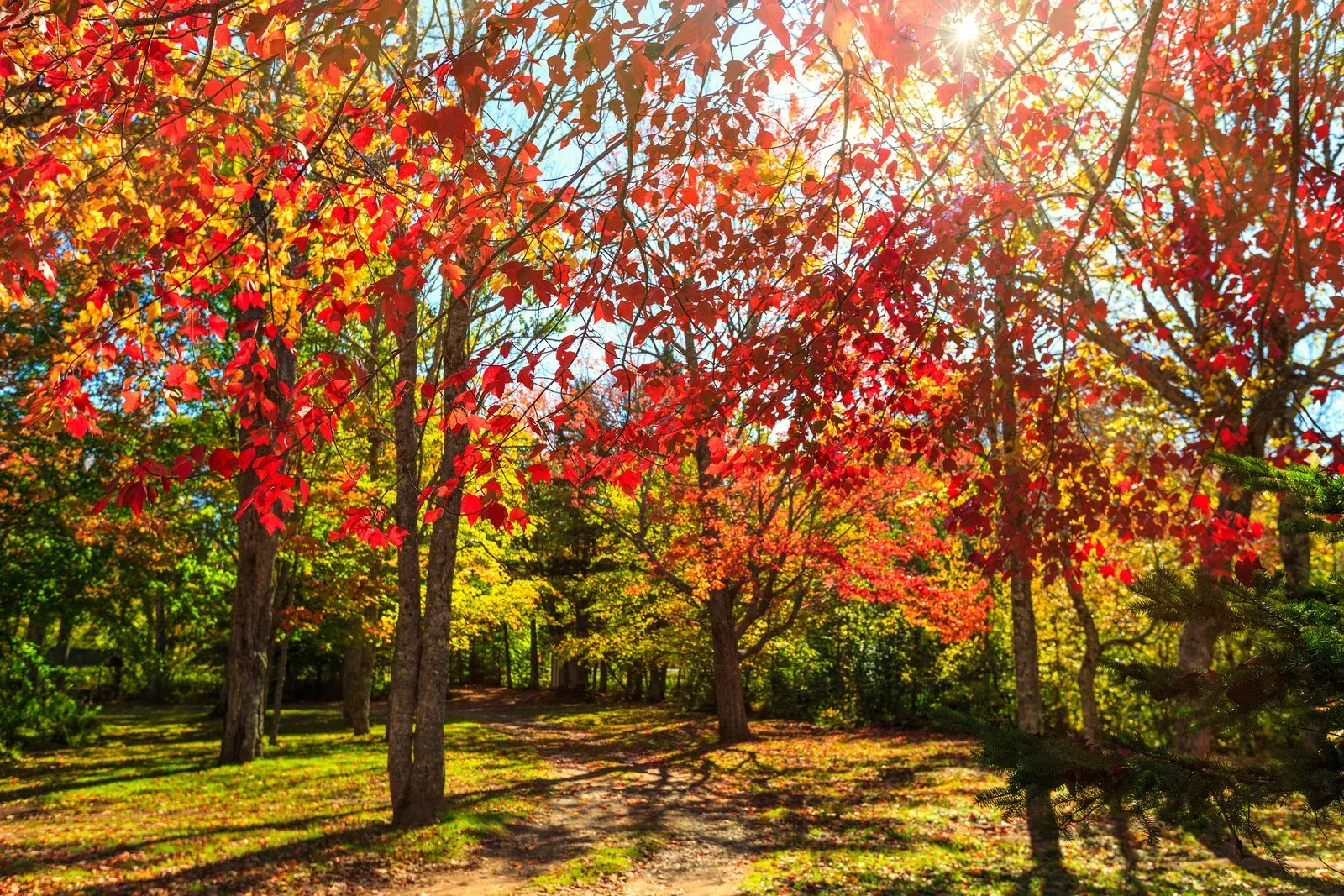
Seasonal Tree Maintenance for Year-Round Health and Stability
Trees do not respond to time in a straight line—they respond to cycles, pressure, and constantly shifting environmental conditions that evolve with each season. At TWIN PINES TREE CARE & LANDSCAPING, seasonal tree maintenance is treated as a structured, ongoing system rather than a one-time service. With over 25 years of experience, we align every aspect of care with natural growth cycles, ensuring trees remain stable, responsive, and resilient as conditions change. Each adjustment is made with purpose, supporting adaptation without introducing unnecessary stress or long-term decline.
We serve Maple Plain and The Twin Cities Metro, Minnesota, along with nearby areas including Delano, Orono, Medina, and Independence. Throughout Hennepin County and surrounding regions, trees face a wide range of seasonal demands, from heavy snow loads and freezing conditions in winter to rapid growth and moisture fluctuations during warmer months. These environmental shifts directly affect canopy weight, root stability, and overall structure, making consistent seasonal maintenance essential for preserving balance and preventing gradual deterioration over time.
Our approach is built on timing, precision, and continuity. Each season introduces specific needs, from targeted pruning and structural inspections to debris management and canopy adjustments. By addressing these requirements at the right moment, we reduce strain, guide healthier growth patterns, and maintain long-term structural integrity. The result is a proactive system where trees are not simply reacting to environmental stress, but adapting with strength and consistency, ensuring reliable performance and stability throughout every seasonal transition.
Our Seasonal Tree Maintenance Services
Spring Growth Management
Spring maintenance focuses on preparing trees for active growth by removing winter damage and shaping new development. This service ensures that trees enter the growing season with balanced structure, improved airflow, and reduced stress, supporting healthy and efficient expansion during warmer months.
Summer Canopy Control
Summer care addresses rapid growth and canopy density. By managing excessive expansion, this service improves light penetration and airflow while preventing overcrowding. Adjustments made during this period help maintain structural balance and reduce the risk of stress caused by excessive foliage and uneven weight distribution.
Fall Structural Preparation
Fall maintenance prepares trees for colder conditions by reducing unnecessary weight and removing vulnerable branches. This process helps trees withstand snow accumulation and seasonal stress, ensuring that structures remain stable and less prone to breakage during winter weather conditions.
Winter Damage Assessment
Winter inspections focus on identifying structural weaknesses caused by snow, ice, and freezing temperatures. This service ensures that any damage is addressed early, preventing further deterioration and maintaining tree stability during the most demanding environmental conditions of the year.
Seasonal Debris Management
Removing fallen branches, leaves, and organic debris ensures that the surrounding environment remains clean and functional. This service reduces potential hazards, improves accessibility, and prevents buildup that can affect soil conditions and overall landscape performance throughout the year.
Ongoing Maintenance Planning
A structured maintenance plan ensures that trees receive consistent care throughout all seasons. By tracking growth patterns and environmental changes, this service allows for timely adjustments, ensuring that trees remain stable, healthy, and capable of adapting to ongoing conditions without disruption.
Benefits of Seasonal Tree Maintenance
Consistent Structural Stability
Seasonal maintenance ensures that trees maintain balanced growth throughout the year. By addressing structural concerns at appropriate times, weight distribution remains stable, reducing strain on branches and preventing long-term damage that can develop when growth patterns are left unmanaged across changing environmental condition
Improved Resistance to Weather Stress
Regular seasonal care prepares trees to withstand environmental challenges such as storms, snow loads, and temperature fluctuations. Adjustments made throughout the year help reduce vulnerability, ensuring that trees remain strong and capable of adapting to varying conditions without significant structural or biological stress.
Healthier Growth Cycles
Aligning maintenance with natural growth patterns supports healthier development. Removing damaged or unnecessary growth at the right time improves nutrient distribution, enhances airflow, and allows trees to grow more efficiently, maintaining vitality and reducing the risk of disease or decline over extended periods.
Reduced Risk of Sudden Damage
Routine seasonal attention prevents minor issues from escalating into major problems. By identifying and addressing weak branches, overcrowding, or early signs of decline, trees are less likely to experience sudden failure, protecting surrounding areas from unexpected hazards and costly emergency interventions.
Enhanced Landscape Appearance
Seasonal maintenance keeps trees visually balanced and well-structured. Regular adjustments ensure that canopies remain uniform and proportionate, contributing to a clean, organized landscape that reflects consistent care while preserving the natural form and character of each tree.
Long-Term Tree Longevity
Ongoing care supports the lifespan of trees by minimizing stress and preventing structural decline. By maintaining consistent health and balance throughout each season, trees are better equipped to grow sustainably, ensuring long-term performance without premature deterioration or the need for extensive corrective measures.
BENEFITS 1
Insert content
BENEFITS 2
Insert content
BENEFITS 3
Insert content
Adapting Care Practices to Support Trees Through Changing Conditions
Seasonal tree maintenance is not about reacting to problems—it is about creating a system that keeps trees balanced, stable, and prepared for change. At TWIN PINES TREE CARE & LANDSCAPING, every step is guided by timing, precision, and long-term thinking, ensuring that trees remain strong through every phase of the year. In Maple Plain and The Twin Cities Metro, Minnesota, where environmental conditions shift dramatically across seasons, structured maintenance becomes essential for sustaining tree health and performance. By aligning care with natural cycles, we reduce stress, prevent damage, and support consistent growth. The result is a landscape where trees continue to perform reliably, maintaining both structure and appearance without unnecessary intervention. Through consistent attention and informed planning, each tree becomes more resilient, capable of adapting to seasonal demands while preserving long-term stability and environmental balance across the property.
FAQ's
Got Questions? We’ve Got Answers.
What is seasonal tree maintenance?
Seasonal tree maintenance involves adjusting care practices throughout the year to align with natural growth cycles and environmental conditions. It includes pruning, inspections, and debris management to ensure trees remain healthy, stable, and capable of adapting to seasonal changes without experiencing unnecessary stress or structural imbalance over time.
Why is seasonal maintenance important for trees?
Seasonal maintenance helps trees respond effectively to environmental changes. By addressing specific needs during each season, it reduces stress, prevents damage, and supports consistent growth. This proactive approach ensures that trees remain structurally sound and healthy, minimizing the likelihood of sudden issues or long-term decline.
How often should seasonal tree maintenance be performed?
Maintenance should be performed regularly throughout the year, with adjustments made based on seasonal conditions. Each phase requires specific attention, ensuring that trees are prepared for changes in growth, weather, and environmental stress. Consistent care provides better results than occasional or reactive maintenance efforts.
What happens if seasonal maintenance is neglected?
Neglecting seasonal maintenance can lead to overgrowth, structural imbalance, and increased vulnerability to weather damage. Trees may develop weak branches, reduced airflow, and higher susceptibility to disease, resulting in long-term decline and increased risk of failure that could have been prevented with routine care.
Does seasonal maintenance improve tree lifespan?
Yes, consistent seasonal care supports long-term health and structural integrity. By addressing issues early and maintaining balanced growth, trees experience less stress and develop stronger frameworks, allowing them to live longer and perform more reliably within their environment over time.
Can seasonal maintenance reduce storm damage?
Yes, preparing trees throughout the year reduces their vulnerability to storms. By managing canopy density and removing weak branches, trees are better equipped to handle wind, snow, and other environmental pressures, reducing the likelihood of damage during severe weather conditions.
Do you provide seasonal maintenance for all tree types?
Yes, Twin Pines Tree Care & Landscaping in Maple Plain and The Twin Cities Metro, Minnesota provides seasonal maintenance for a wide range of tree types. Care is adjusted based on species, age, and condition, ensuring that each tree receives appropriate attention that supports long-term health, stability, and consistent growth.
Is seasonal maintenance necessary for mature trees?
Yes, mature trees benefit from ongoing care to maintain structural integrity and health. Twin Pines Tree Care & Landscaping in Maple Plain and The Twin Cities Metro, Minnesota ensures that older trees remain stable and resilient by addressing seasonal needs, preventing decline, and supporting continued performance across changing environmental conditions.
BENEFITS 1
Insert content
BENEFITS 2
Insert content
BENEFITS 3
Insert content