Tree Disease Treatment in Maple Plain and The Twin Cities Metro, Minnesota
OR GIVE US A CALL
Targeted Tree Disease Treatment for Long-Term Plant Health
Tree health rarely declines overnight—it shifts gradually, often unnoticed, until visible damage appears. At TWIN PINES TREE CARE & LANDSCAPING, tree disease treatment is approached as a precise, diagnostic-driven process that protects long-term vitality. Fungal infections, bacterial issues, and environmental stressors weaken trees from within, affecting structure, growth, and resilience. Our focus is on identifying underlying causes early, applying targeted treatments, and restoring balance so trees can recover and continue contributing to the landscape safely and effectively.
We serve Maple Plain and The Twin Cities Metro, Minnesota, as well as the surrounding areas including Delano, Orono, Medina, and Independence. Across Hennepin County and nearby regions, fluctuating temperatures, seasonal moisture, and soil variability create conditions where diseases can spread quickly. From spring thaw saturation to humid summers and harsh winters, these environmental factors place continuous stress on tree systems, making proactive disease management essential for maintaining structural integrity and long-term health.
Every tree responds differently to disease, which is why treatment requires a tailored, informed approach. Our process combines detailed inspection, accurate identification, and controlled intervention to address both symptoms and root causes. By focusing on prevention, recovery, and ongoing monitoring, each treatment supports stability, enhances longevity, and ensures that trees remain a functional and valuable part of the property without unnecessary decline or recurring issues. The result is a healthier, more resilient landscape that continues to function effectively across changing seasons while minimizing the risk of future disease-related complications or structural weakening over time.
Our Tree Disease Treatment Services
Tree Health Inspections and Diagnosis
Comprehensive inspections identify visible and underlying signs of disease affecting tree health. This service focuses on evaluating foliage, bark, root conditions, and growth patterns. Accurate diagnosis ensures that the appropriate treatment plan is developed, addressing both symptoms and root causes to restore long-term stability.
Fungal Disease Treatment Applications
Fungal infections are among the most common threats to trees. This service includes targeted treatment applications designed to control and eliminate fungal growth. By addressing affected areas and preventing further spread, it supports recovery and helps maintain structural strength and long-term health.
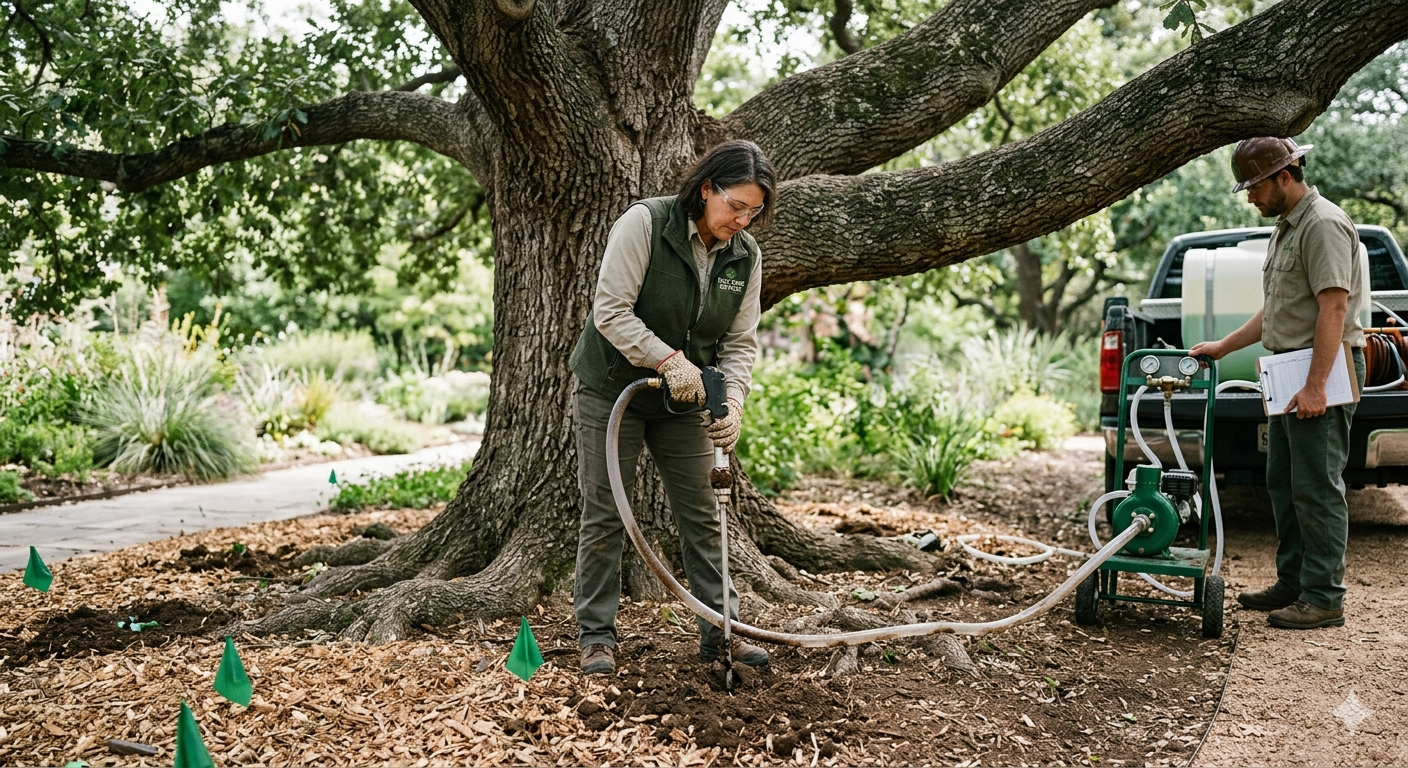
Soil Health and Root Zone Treatment
Healthy soil conditions are essential for disease resistance. This service improves soil quality and addresses root zone issues that contribute to tree decline. By enhancing nutrient availability and correcting imbalances, it strengthens root systems and supports overall tree resilience against environmental stressors.
Preventative Disease Management Programs
Ongoing care programs are designed to prevent disease before it develops. This service includes routine monitoring, seasonal treatments, and proactive interventions. By maintaining consistent oversight, it reduces the likelihood of infection and ensures that trees remain healthy and stable throughout changing environmental conditions.
Insect and Disease Control Integration
Some tree diseases are linked to pest activity. This service combines disease treatment with insect control strategies, addressing both factors simultaneously. By eliminating contributing pests and treating affected areas, it provides a comprehensive solution that supports recovery and prevents recurring issues.
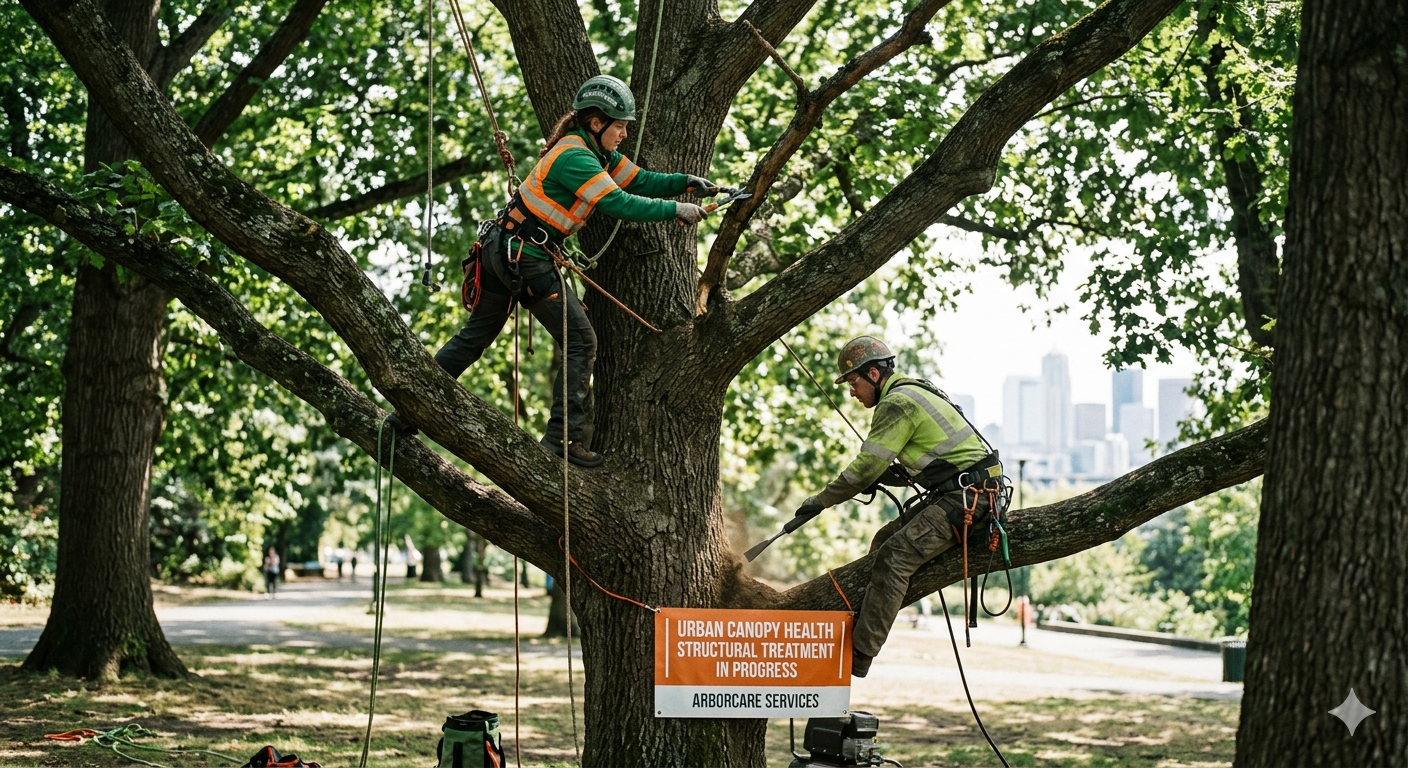
Canopy and Structural Health Treatment
Diseases often impact tree canopies and structural components. This service focuses on treating affected branches and supporting balanced growth. Improving canopy density and structural stability, it enhances both the health and durability of trees over time.
Benefits of Tree Disease Treatment Services
Early Detection and Targeted Intervention
Tree disease treatment allows early identification of infections before they become severe. By diagnosing issues at initial stages, targeted solutions can be applied effectively. This approach minimizes damage, supports faster recovery, and ensures that trees maintain structural strength, reducing the likelihood of irreversible decline or removal.
Extended Tree Lifespan
Treating diseases promptly helps preserve the natural lifespan of trees. Instead of allowing gradual deterioration, proper care strengthens internal systems and promotes healthier growth patterns. This ensures that trees continue to thrive over time, maintaining their presence and value within both residential and commercial landscapes.
Improved Structural Integrity
Diseased trees often develop weak branches, compromised trunks, or unstable root systems. Treatment reinforces structural stability by addressing underlying issues. Strengthening tree health reduces the risk of breakage or failure, especially during adverse weather conditions, helping maintain safer and more reliable outdoor environments.
Prevention of Disease Spread
Unchecked tree diseases can spread to nearby vegetation, affecting entire landscapes. Treatment helps contain infections, protecting surrounding trees and plants. By controlling the source of the problem, it prevents widespread damage and supports the overall health of the landscape ecosystem.
Enhanced Visual Appearance
Diseased trees often show signs such as discoloration, thinning foliage, or dead branches. Treatment restores healthier growth and improves appearance over time. Revitalized trees contribute to a more balanced and visually appealing landscape, enhancing the overall presentation of outdoor spaces.
Reduced Long-Term Costs
Addressing tree diseases early reduces the need for extensive repairs or complete removal later. Preventive treatment minimizes long-term expenses associated with severe damage. Investing in proper care ensures that trees remain healthy and stable, avoiding costly interventions in the future.
BENEFITS 1
Insert content
BENEFITS 2
Insert content
BENEFITS 3
Insert content
Protecting Trees from Disease Through Focused Treatment Plans
Tree disease treatment goes beyond correcting visible damage—it protects strength, stability, and long-term landscape performance. At TWIN PINES TREE CARE & LANDSCAPING, every step is guided by precision, experience, and a commitment to lasting results. In Maple Plain and The Twin Cities Metro, Minnesota, where environmental conditions constantly challenge tree health, proactive treatment plays a critical role. By focusing on early detection, targeted solutions, and consistent monitoring, each treatment supports healthier growth while reducing the risk of future complications. The result is a landscape that remains balanced, resilient, and capable of adapting to seasonal changes, all while preserving structural integrity and maintaining lasting visual appeal. Take control of tree health before problems escalate—schedule a professional assessment today and ensure your landscape remains strong, stable, and built for long-term performance.
FAQ's
Got Questions? We’ve Got Answers.
What are common signs of tree disease?
Common signs include discolored leaves, premature leaf drop, dead branches, unusual growth patterns, and visible fungi. Cracks in bark or thinning canopies may also indicate underlying issues. Identifying these symptoms early helps ensure timely treatment, preventing further deterioration and maintaining overall tree health and stability.
Can tree diseases be completely cured?
Some tree diseases can be fully treated, while others can only be managed. The outcome depends on the type and severity of the infection. Early intervention improves success rates, allowing trees to recover or stabilize, while advanced cases may require ongoing management to control symptoms and prevent further decline.
How often should trees be inspected for disease?
Trees should be inspected at least once a year, ideally during seasonal transitions. Regular inspections help detect early signs of disease and allow for timely intervention. High-risk areas or previously affected trees may require more frequent evaluations to maintain consistent health and prevent recurring issues.
Is tree disease treatment safe for surrounding plants?
When properly applied, treatment methods are designed to target specific issues without harming surrounding vegetation. Careful application ensures that nearby plants remain unaffected. Professional techniques focus on controlled use of treatments, maintaining balance within the landscape while addressing the specific disease affecting the tree.
Can untreated tree diseases spread quickly?
Yes, many tree diseases can spread rapidly, especially in favorable environmental conditions. Fungal spores and bacterial infections can transfer between trees, impacting entire landscapes. Addressing diseases early helps contain the spread, protecting nearby vegetation and maintaining overall landscape health and stability
How does Twin Pines Tree Care & Landscaping handle tree disease treatment in Maple Plain and The Twin Cities Metro, Minnesota?
In Maple Plain and The Twin Cities Metro, Minnesota, Twin Pines Tree Care & Landscaping focuses on accurate diagnosis and targeted treatment. Each situation is evaluated carefully to determine the best approach. By combining experience with structured care methods, treatments are applied effectively to restore health and maintain long-term tree stability.
Is preventative care necessary even if trees look healthy?
Yes, preventative care helps maintain tree health before visible issues arise. Trees can develop internal problems that are not immediately noticeable. Routine monitoring and early intervention reduce risks, ensuring that trees remain strong, resilient, and capable of withstanding environmental stressors throughout changing seasons.
Why choose Twin Pines Tree Care & Landscaping for tree disease treatment in Maple Plain and The Twin Cities Metro, Minnesota?
Choosing Twin Pines Tree Care & Landscaping in Maple Plain and The Twin Cities Metro, Minnesota ensures a structured and informed approach. Treatments are based on careful evaluation and proven methods. The focus remains on restoring tree health, preventing further damage, and maintaining long-term stability across all treated landscapes.
BENEFITS 1
Insert content
BENEFITS 2
Insert content
BENEFITS 3
Insert content