Invasive Species Removal in Maple Plain and The Twin Cities Metro, Minnesota
OR GIVE US A CALL
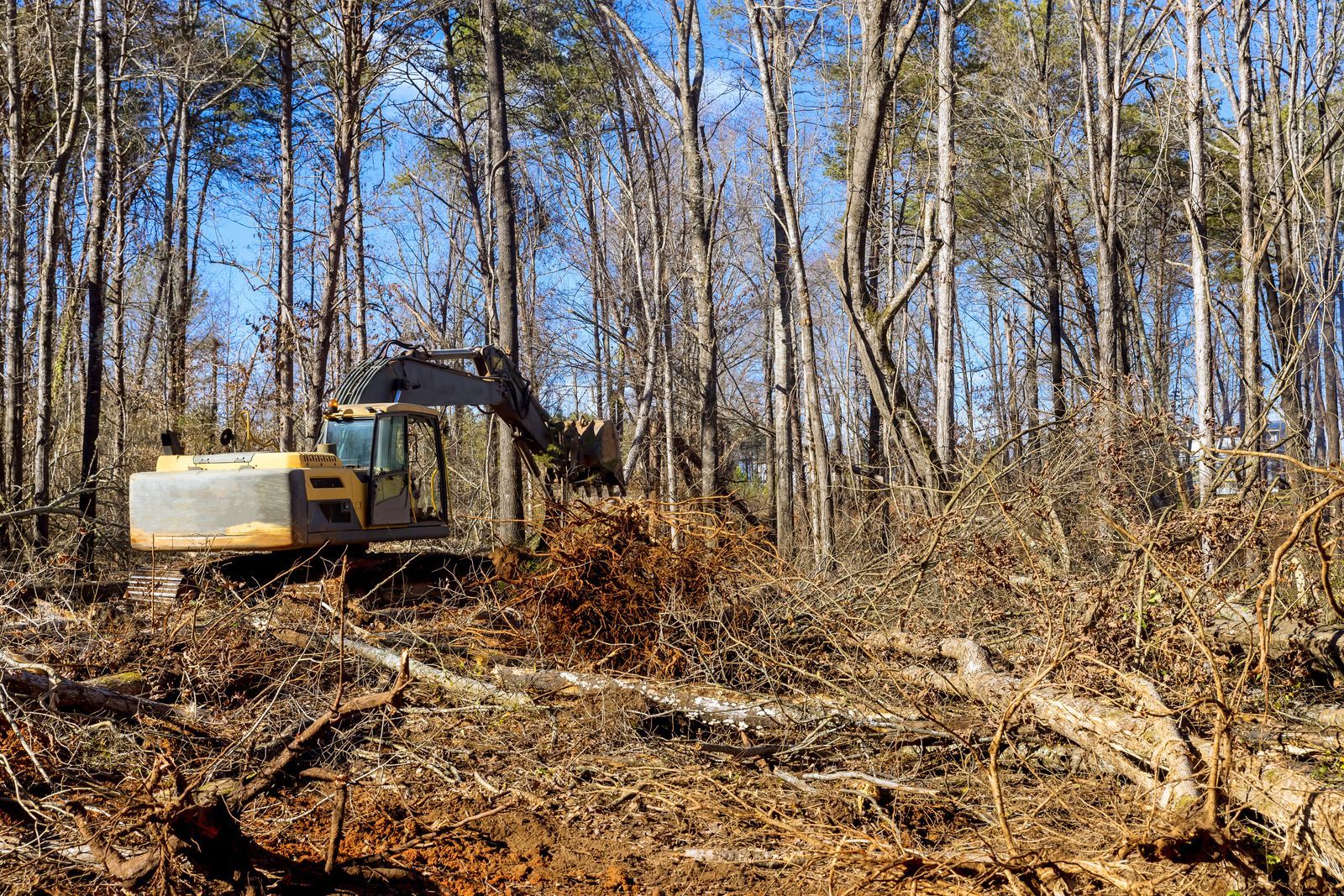
Invasive Species Removal for Balanced and Healthy Ecosystems
Invasive species rarely announce their presence—they spread quietly, displace native growth, and disrupt the natural balance of a landscape before visible damage becomes obvious. At TWIN PINES TREE CARE & LANDSCAPING, invasive species removal is approached as a controlled, strategic process that restores order beneath and above the surface. Each project begins with identifying aggressive plant behavior, root expansion patterns, and environmental impact, ensuring that removal is not partial or temporary. By focusing on complete elimination and long-term control, we transform affected areas into stable environments where native vegetation can thrive without competition or recurring disruption.
We serve Maple Plain and The Twin Cities Metro, Minnesota, as well as the surrounding areas including Delano, Orono, Medina, and Wayzata. Across Hennepin County and nearby regions, invasive species such as buckthorn and fast-spreading undergrowth thrive in disturbed soil conditions, shaded areas, and seasonal moisture shifts. These local environmental factors accelerate the spread of invasive growth, making structured removal essential for maintaining balanced landscapes and preventing long-term ecological degradation.
Our approach centers on precision, timing, and ecological awareness. Instead of surface-level clearing, we target root systems and regrowth cycles to ensure complete removal. By combining detailed assessments with controlled execution, we prevent re-establishment and restore the natural structure of the land. The result is a healthier, more resilient landscape that supports long-term stability, improved usability, and consistent performance without repeated intervention. Restore balance to your landscape with a targeted invasive species removal plan—connect with our team today to schedule an assessment and take control of your property’s long-term health.
Our Invasive Species Removal Services
Buckthorn Removal and Control Services
Buckthorn removal targets one of the most aggressive invasive species, eliminating both visible growth and root systems. This process prevents regrowth and restores native vegetation, ensuring that landscapes remain balanced and free from rapid encroachment that disrupts long-term ecological stability.
Brush Clearing and Overgrowth Management
Dense brush and invasive undergrowth are cleared to restore access and visibility across the property. This service removes aggressive plant clusters while preserving surrounding vegetation, creating organized, functional spaces that support long-term landscape management and usability.
Root System Extraction and Regrowth Prevention
Complete removal focuses on extracting root systems that drive invasive growth. By eliminating underground structures, this service prevents regrowth and ensures that invasive species do not re-establish, supporting long-term landscape stability and reducing the need for repeated removal efforts.
Selective Clearing for Native Habitat Restoration
Selective clearing removes invasive species while protecting native plants and natural features. This approach restores ecological balance, encouraging biodiversity and supporting sustainable growth patterns that enhance the overall health and resilience of the landscape.
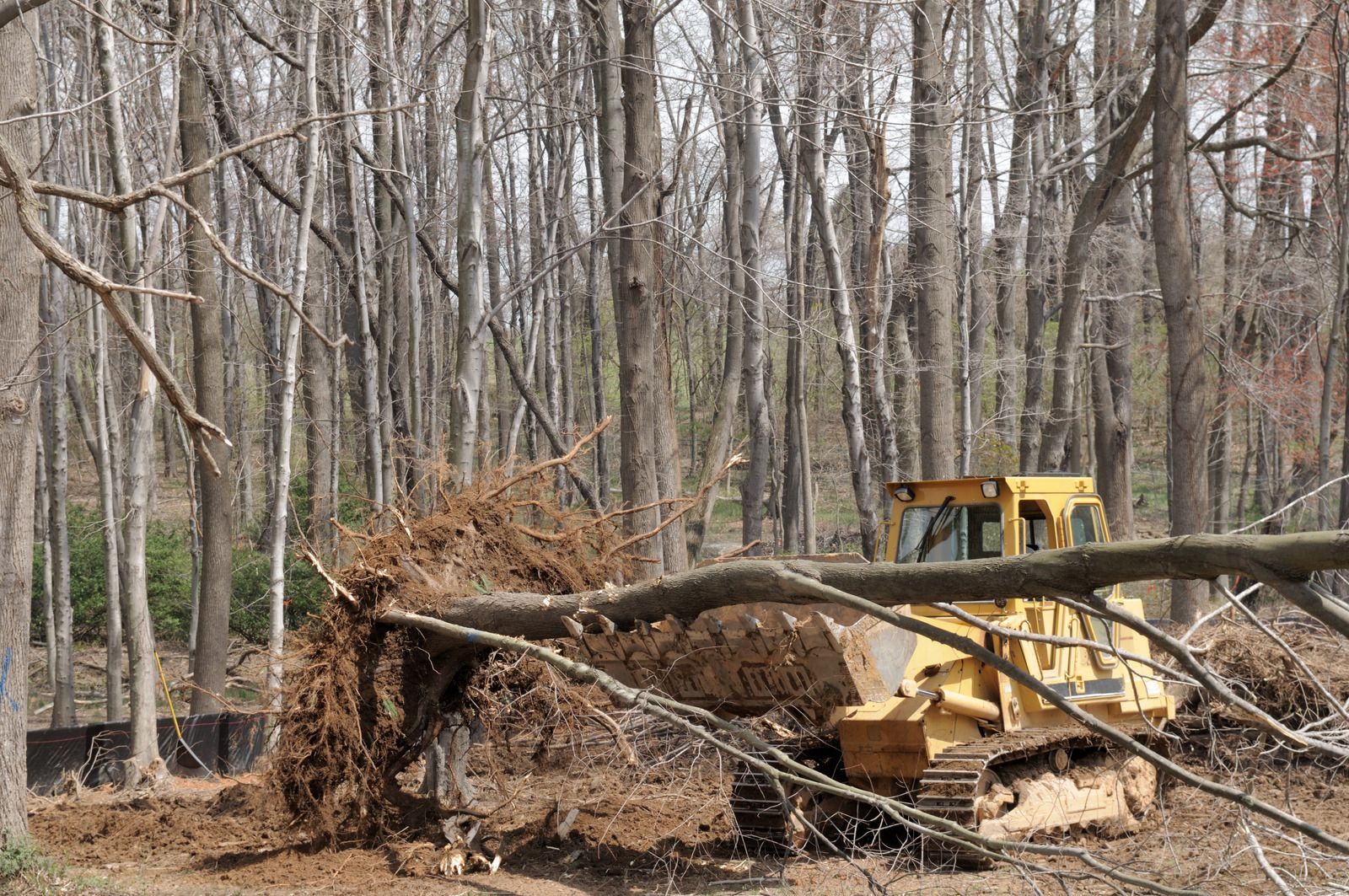
Large-Scale Land Clearing for Invasive Control
Large properties affected by invasive species require structured clearing methods. This service addresses widespread infestations, removing invasive growth efficiently while maintaining control over surrounding areas, ensuring that land remains usable and manageable over time.
Ongoing Monitoring and Maintenance Programs
Post-removal monitoring ensures that invasive species do not return. Regular inspections and targeted maintenance keep landscapes stable, addressing early signs of regrowth and maintaining long-term control over invasive plant activity across the property.
Benefits of Invasive Species Removal
Restoration of Native Plant Growth and Balance
Removing invasive species allows native plants to regain access to sunlight, nutrients, and space. This restores ecological balance, encourages biodiversity, and ensures that the landscape supports healthy, sustainable growth patterns without aggressive competition from fast-spreading, non-native vegetation that disrupts natural systems over time.
Improved Soil Health and Nutrient Distribution
Invasive species often deplete soil nutrients and alter soil composition. Their removal restores natural nutrient cycles, improves soil structure, and supports better water absorption. This creates conditions that allow native vegetation to thrive while maintaining long-term soil stability and consistent landscape performance.
Prevention of Rapid Overgrowth and Property Encroachment
Uncontrolled invasive growth can quickly overtake large areas, affecting accessibility and usability. Removal prevents rapid spread, ensuring that properties remain manageable and functional. This supports clear boundaries, organized landscapes, and efficient maintenance without the burden of constant overgrowth management.
Reduction of Fire Hazards and Environmental Risks
Certain invasive plants create dense, dry growth that increases fire risk. Removing these species reduces fuel buildup, improving safety and lowering the likelihood of environmental hazards. This contributes to a more controlled and secure outdoor environment, especially during dry seasonal conditions.
Enhanced Property Appearance and Land Usability
Invasive species disrupt visual consistency and limit how land can be used. Their removal restores clean, open spaces that support landscaping, development, or general use. This improves the overall appearance and functionality of the property while maintaining a more organized and manageable outdoor environment.
Long-Term Landscape Stability and Maintenance Efficiency
Structured removal reduces the need for repeated interventions by addressing root systems and regrowth cycles. This ensures long-term stability, allowing landscapes to remain balanced and easier to maintain. Efficient management reduces ongoing effort while supporting consistent performance across the entire property.
BENEFITS 1
Insert content
BENEFITS 2
Insert content
BENEFITS 3
Insert content
Protecting Native Growth by Eliminating Harmful Plant Intrusions
Invasive species removal is not just about clearing unwanted growth—it is about restoring balance and ensuring that the land functions as intended. At TWIN PINES TREE CARE & LANDSCAPING, our work in Maple Plain and The Twin Cities Metro, Minnesota, is focused on delivering precise, lasting solutions that eliminate disruption and support long-term stability. By addressing both visible growth and underlying causes, we create landscapes that remain healthy, accessible, and efficient to maintain. Each step is guided by structure and attention to detail, ensuring that invasive species do not return to compromise the property. The result is a landscape that supports native growth, maintains its integrity, and adapts to changing environmental conditions while remaining controlled, organized, and prepared for continued use without unnecessary setbacks or repeated intervention.
FAQ's
Got Questions? We’ve Got Answers.
What are invasive species and why are they a problem?
Invasive species are non-native plants that spread aggressively, outcompeting native vegetation for resources. They disrupt ecosystems, reduce biodiversity, and can damage soil health. Removing them is essential to maintain balanced landscapes and support healthy plant growth over time.
How do invasive species spread so quickly?
Invasive plants spread through seeds, roots, and environmental factors such as wind and water. Their rapid growth and adaptability allow them to dominate areas quickly. Without proper control, they can overtake large sections of land and disrupt the natural balance of the environment.
What is the most effective way to remove invasive species?
The most effective method combines physical removal, root extraction, and ongoing monitoring. Addressing both visible growth and underground structures ensures complete elimination. This prevents regrowth and supports long-term control, making the landscape more stable and manageable.
Can invasive species return after removal?
Yes, if removal is incomplete or monitoring is not maintained, invasive species can return. Effective removal includes eliminating root systems and implementing follow-up inspections. This ensures that regrowth is prevented and the landscape remains stable over time.
Is invasive species removal safe for surrounding plants?
When done correctly, removal targets only invasive species while protecting native vegetation. Controlled techniques ensure minimal disruption, preserving the health of surrounding plants and maintaining the overall balance of the landscape environment.
Do you provide invasive species removal in Maple Plain and The Twin Cities Metro, Minnesota?
Yes, Twin Pines Tree Care & Landscaping provides invasive species removal in Maple Plain and The Twin Cities Metro, Minnesota, focusing on complete elimination and long-term control. Our structured approach ensures that landscapes remain balanced, functional, and protected from aggressive plant growth that can disrupt property stability.
How long does invasive species removal take?
The time required depends on the size of the infestation and the type of plants involved. Smaller areas may be cleared quickly, while larger infestations require more time and structured planning. The goal is thorough removal that prevents regrowth and ensures lasting results.
Why choose professional invasive species removal services?
Professional services ensure accurate identification, controlled removal, and long-term prevention. In Maple Plain and The Twin Cities Metro, Minnesota, Twin Pines Tree Care & Landscaping uses structured methods to eliminate invasive species while protecting the surrounding environment, delivering consistent and reliable results.
BENEFITS 1
Insert content
BENEFITS 2
Insert content
BENEFITS 3
Insert content