
Tree Planting in Maple Plain and The Twin Cities Metro, Minnesota
OR GIVE US A CALL
Professional Tree Planting for Long-Term Growth and Placement
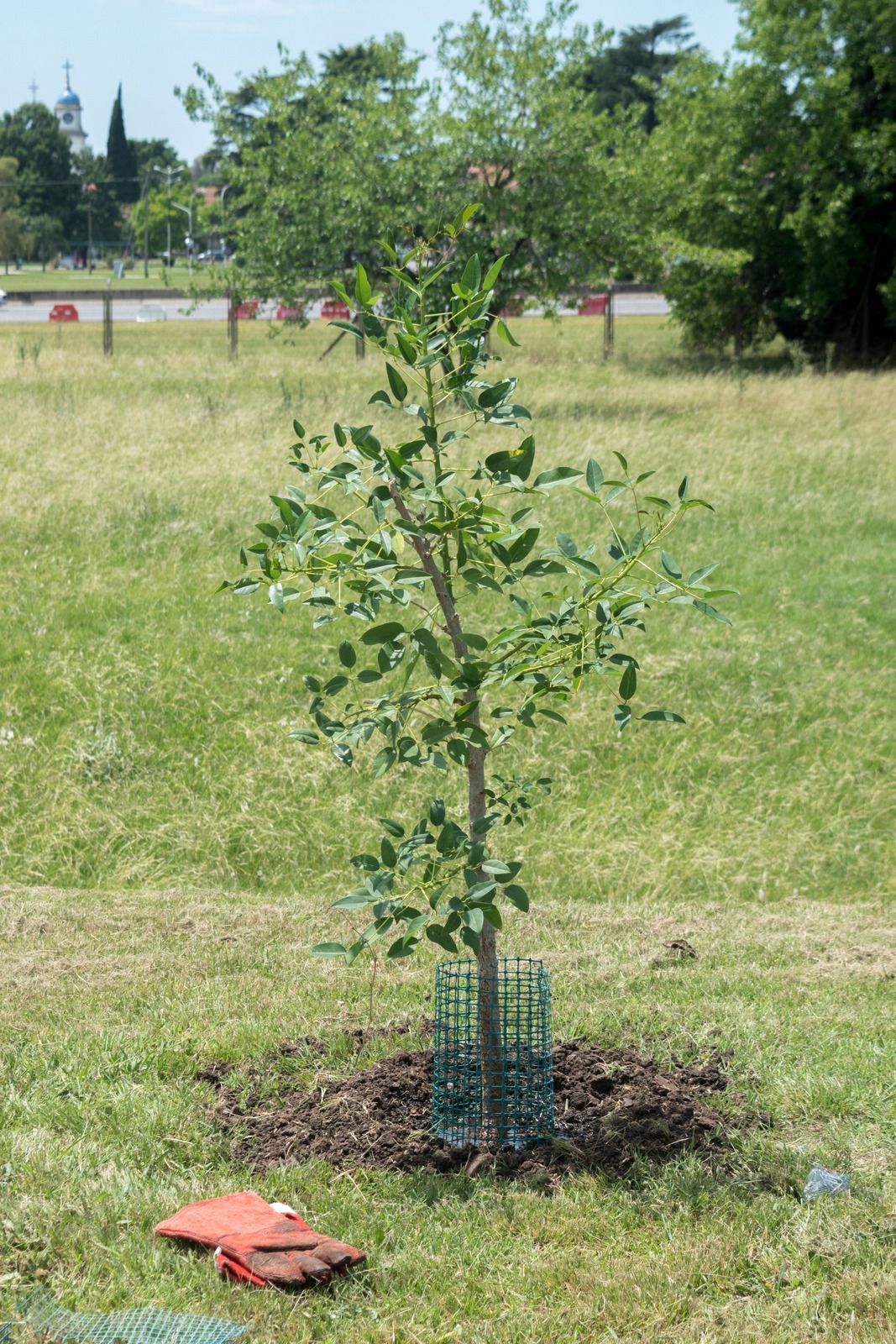
Tree planting is not just about placing something in the ground—it is about shaping the future of a landscape with intention, accuracy, and long-term vision. At TWIN PINES TREE CARE & LANDSCAPING, we approach tree planting as a structured process that aligns species selection, soil conditions, and spatial planning to ensure lasting performance. Every tree introduced into a property influences shade patterns, root systems, drainage, and overall environmental balance. By focusing on proper placement and preparation from the beginning, we create landscapes that evolve with stability rather than struggle with avoidable issues. Each planting decision is guided by how the tree will grow over the years, not just how it appears on day one.
We serve Maple Plain and The Twin Cities Metro, Minnesota, as well as the surrounding areas including Delano, Orono, Medina, and Independence. Across Hennepin County and nearby regions, seasonal temperature swings, freeze-thaw cycles, and varying soil compositions create challenges for new plantings. Harsh winters and wet springs demand careful species selection and proper installation techniques to ensure survival and long-term health. Local conditions require a thoughtful approach that considers root development, moisture retention, and spacing to prevent overcrowding or future structural conflicts within the landscape.
Our process is centered on preparation, placement, and long-term success. Every planting begins with soil evaluation, site planning, and species selection that aligns with environmental conditions. By combining technical knowledge with precise execution, we ensure that each tree establishes strong roots, adapts to its surroundings, and contributes to a balanced, functional, and resilient outdoor space.
Our Tree Planting Services
Site Evaluation and Soil Preparation for Optimal Growth
Every planting begins with evaluating soil composition, drainage, and existing landscape conditions. Proper preparation ensures that the ground supports root development and nutrient absorption, creating an environment where trees can establish effectively and grow without complications caused by poor soil quality or improper conditions.
Species Selection Based on Climate and Landscape Needs
Choosing the right tree species is critical for long-term success. Selection is based on environmental conditions, property layout, and growth expectations, ensuring that each tree aligns with its surroundings and performs reliably without creating future conflicts or requiring excessive maintenance.
Precision Tree Installation for Stable Root Development
Planting techniques focus on correct depth, alignment, and stabilization to ensure strong root growth. Proper installation reduces transplant shock and supports immediate adaptation, allowing trees to establish quickly while maintaining structural balance and long-term health within the landscape.
Spacing and Layout Planning for Functional Landscapes
Strategic spacing ensures that trees have adequate room to grow without overcrowding or interfering with structures. This planning supports airflow, sunlight distribution, and root expansion, creating a landscape that remains functional, organized, and visually balanced as it develops over time.
Mulching and Initial Care for Moisture Retention
Mulching helps retain moisture, regulate soil temperature, and protect roots during early growth stages. Initial care practices ensure that newly planted trees receive the support they need to establish successfully, reducing stress and promoting healthy development in the critical early phases after planting.
Post-Planting Monitoring and Growth Support
After planting, monitoring ensures that trees continue to develop properly. Adjustments to watering, soil conditions, and support systems are made as needed, ensuring that each tree remains healthy, stable, and capable of adapting to environmental conditions as it matures within the landscape.
Benefits of Professional Tree Planting
Stronger Root Establishment Through Proper Planting Techniques
Professional tree planting ensures correct depth, spacing, and soil preparation, allowing roots to establish effectively. This creates a strong foundation that supports long-term growth, reduces transplant shock, and helps trees adapt more efficiently to environmental conditions without struggling during early development stages.
Improved Survival Rates for Newly Planted Trees
Proper handling, installation, and aftercare significantly increase the survival rate of new trees. By minimizing stress during planting and ensuring optimal growing conditions, professional services help trees transition successfully from nursery environments to permanent locations without unnecessary loss or decline over time.
Strategic Placement for Long-Term Growth and Functionality
Tree placement impacts everything from shade coverage to root expansion. Professional planning ensures that trees are positioned correctly to avoid future conflicts with structures, utilities, and other plants, supporting a landscape that remains functional, balanced, and efficient as it matures.
Enhanced Property Value and Visual Appeal
Well-planted trees contribute to a structured and visually appealing landscape. Proper selection and placement improve the overall aesthetic of the property while adding long-term value, creating an environment that feels intentional, balanced, and aligned with both natural and built elements.
Better Adaptation to Environmental Conditions
Choosing the right species for specific soil and climate conditions ensures that trees adapt successfully over time. Professional planting considers environmental factors such as moisture levels, sunlight exposure, and temperature fluctuations, allowing trees to grow consistently without unnecessary stress or decline.
Reduced Maintenance Needs Through Proper Planning
When trees are planted correctly from the start, they require less corrective maintenance in the future. Proper spacing, species selection, and soil preparation minimize issues such as overcrowding, root interference, and structural imbalance, creating a landscape that remains manageable and efficient over time.
BENEFITS 1
Insert content
BENEFITS 2
Insert content
BENEFITS 3
Insert content
Establishing Trees That Thrive Within Planned Landscape Environments
Tree planting is the starting point of a landscape’s future, shaping how space develops, functions, and endures over time. At TWIN PINES TREE CARE & LANDSCAPING, every planting decision is made with purpose, ensuring that each tree contributes to long-term stability, environmental balance, and visual harmony. In Maple Plain and The Twin Cities Metro, Minnesota, where climate conditions and soil variability demand precision, structured planting becomes essential for lasting success. By focusing on preparation, placement, and ongoing support, we create landscapes that grow stronger with each season. Every tree planted is an investment in the future—one that enhances property value, improves environmental performance, and ensures that the landscape continues to evolve with strength and resilience.
FAQ's
Got Questions? We’ve Got Answers.
When is the best time to plant trees?
The ideal time for planting is during early spring or fall when temperatures are moderate and soil conditions support root development. These seasons allow trees to establish before extreme weather conditions, improving survival rates and ensuring steady growth without excessive stress from heat or freezing temperatures.
How deep should a tree be planted?
Trees should be planted at the correct depth, with the root flare slightly above ground level. Planting too deep can restrict oxygen access and lead to root issues, while shallow planting may expose roots. Proper depth ensures stability, healthy root growth, and long-term structural integrity for the tree.
How often should newly planted trees be watered?
New trees require consistent watering, especially during the first year. Watering frequency depends on soil conditions and weather, but maintaining evenly moist soil is essential. Proper watering supports root establishment, reduces transplant shock, and ensures that the tree adapts successfully to its new environment.
What type of soil is best for tree planting?
Well-draining soil with balanced nutrients is ideal for tree planting. Soil should support root expansion while retaining enough moisture for growth. Amendments may be needed depending on conditions, ensuring that the tree has access to essential nutrients and a stable foundation for long-term development.
Can any tree species grow in Minnesota conditions?
Not all species are suitable for Minnesota’s climate. Trees must be selected based on their ability to withstand cold winters, temperature fluctuations, and soil conditions. Proper selection ensures that trees remain healthy, stable, and capable of adapting to environmental challenges over time without unnecessary risk.
Do professional planting services make a difference?
Yes, Twin Pines Tree Care & Landscaping in Maple Plain and The Twin Cities Metro, Minnesota ensures that every tree is planted with precision, improving survival rates and long-term performance. Professional planting eliminates common mistakes, ensuring that trees establish properly and grow in a way that supports both structure and landscape functionality.
How far apart should trees be planted?
Spacing depends on the species and expected growth size. Proper spacing allows for adequate airflow, sunlight exposure, and root expansion, preventing overcrowding and competition. This ensures that each tree can grow to its full potential without interfering with nearby structures or other vegetation.
What maintenance is required after planting?
Twin Pines Tree Care & Landscaping in Maple Plain and The Twin Cities Metro, Minnesota recommends consistent watering, mulching, and periodic monitoring. Early care focuses on root establishment and stability, ensuring that trees adapt successfully and continue to grow without complications that could affect long-term health or structural integrity.
BENEFITS 1
Insert content
BENEFITS 2
Insert content
BENEFITS 3
Insert content