
Tree Cabling & Bracing in Maple Plain and The Twin Cities Metro, Minnesota
OR GIVE US A CALL
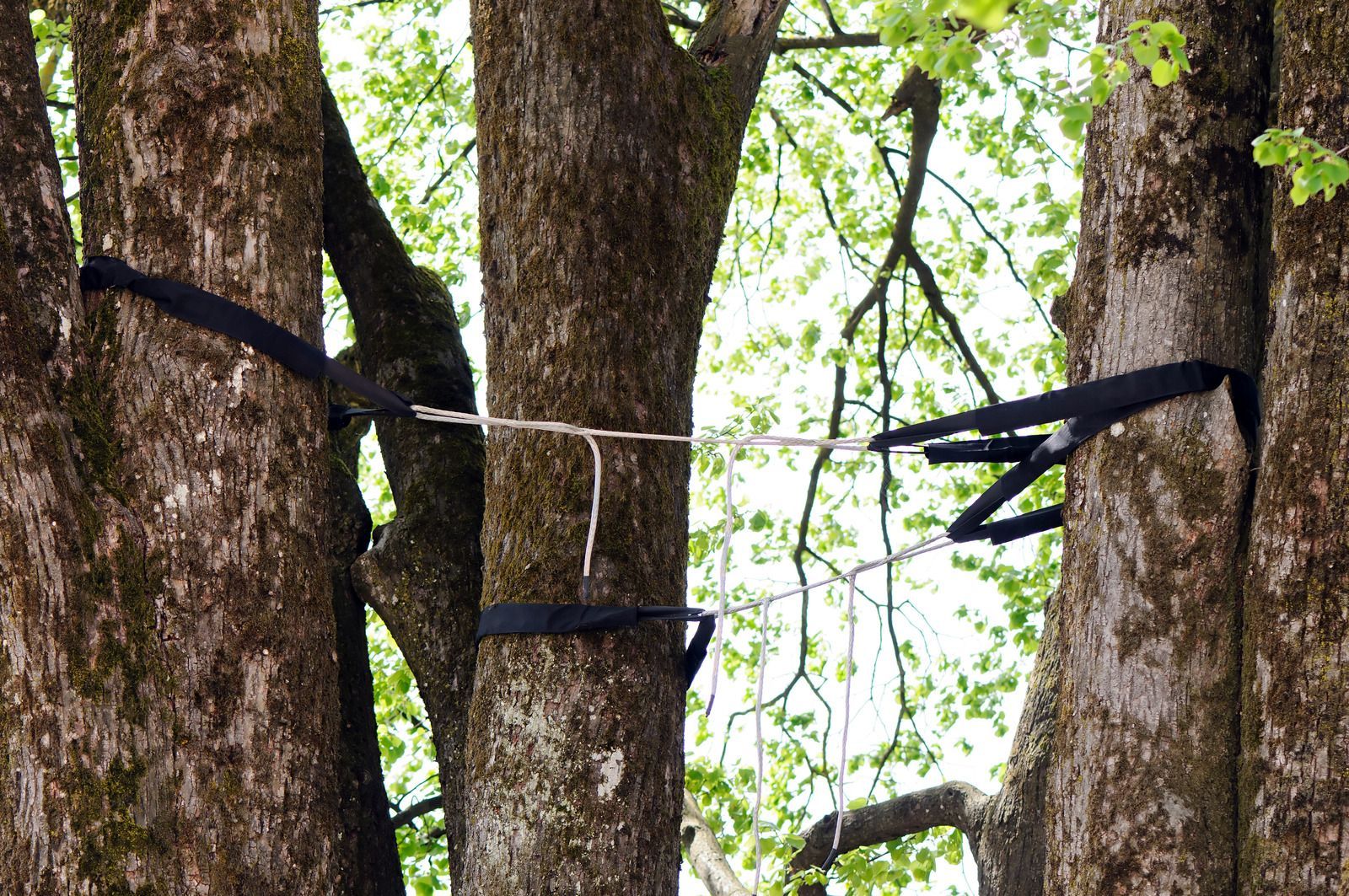
Tree Cabling and Bracing for Structural Support Stability
Tree cabling and bracing transform how vulnerable trees are managed, shifting the focus from removal to preservation through engineered support. At TWIN PINES TREE CARE & LANDSCAPING, we approach structural reinforcement with precision, evaluating how weight distribution, branch unions, and internal stress points influence long-term stability. Trees with multiple trunks, heavy lateral limbs, or structural weaknesses often require intervention to prevent splitting or collapse. Rather than removing these trees prematurely, our method reinforces their structure, allowing them to remain functional and visually strong within the landscape.
We serve Maple Plain and The Twin Cities Metro, Minnesota, as well as the surrounding areas, including Delano, Orono, Medina, and Independence. Across Hennepin County and nearby regions, environmental conditions such as snow accumulation, high winds, and seasonal temperature swings place significant stress on tree structures. These factors increase the likelihood of branch failure and trunk splitting, especially in mature trees. Local soil conditions and moisture levels also influence root anchoring, making structural support systems essential for maintaining stability and reducing the risk of damage to surrounding properties.
Our process focuses on detailed assessment and strategic reinforcement. Every tree is evaluated for load distribution, structural defects, and environmental exposure before installation begins. By combining cabling and bracing techniques with a long-term care approach, we ensure that trees remain stable, supported, and capable of adapting to changing conditions without compromising safety or performance. Each installation is guided by careful planning, ensuring that support systems work with the tree’s natural movement rather than restricting it.
Our Tree Cabling & Bracing Services
Dynamic Cabling Installation for Flexible Support Systems
Dynamic cabling systems are designed to allow natural tree movement while providing essential support. These flexible systems absorb stress caused by wind and weight, reducing strain on weak branches and unions while maintaining the tree’s natural growth patterns and overall structural integrity over time.
Static Cabling for Maximum Structural Reinforcement
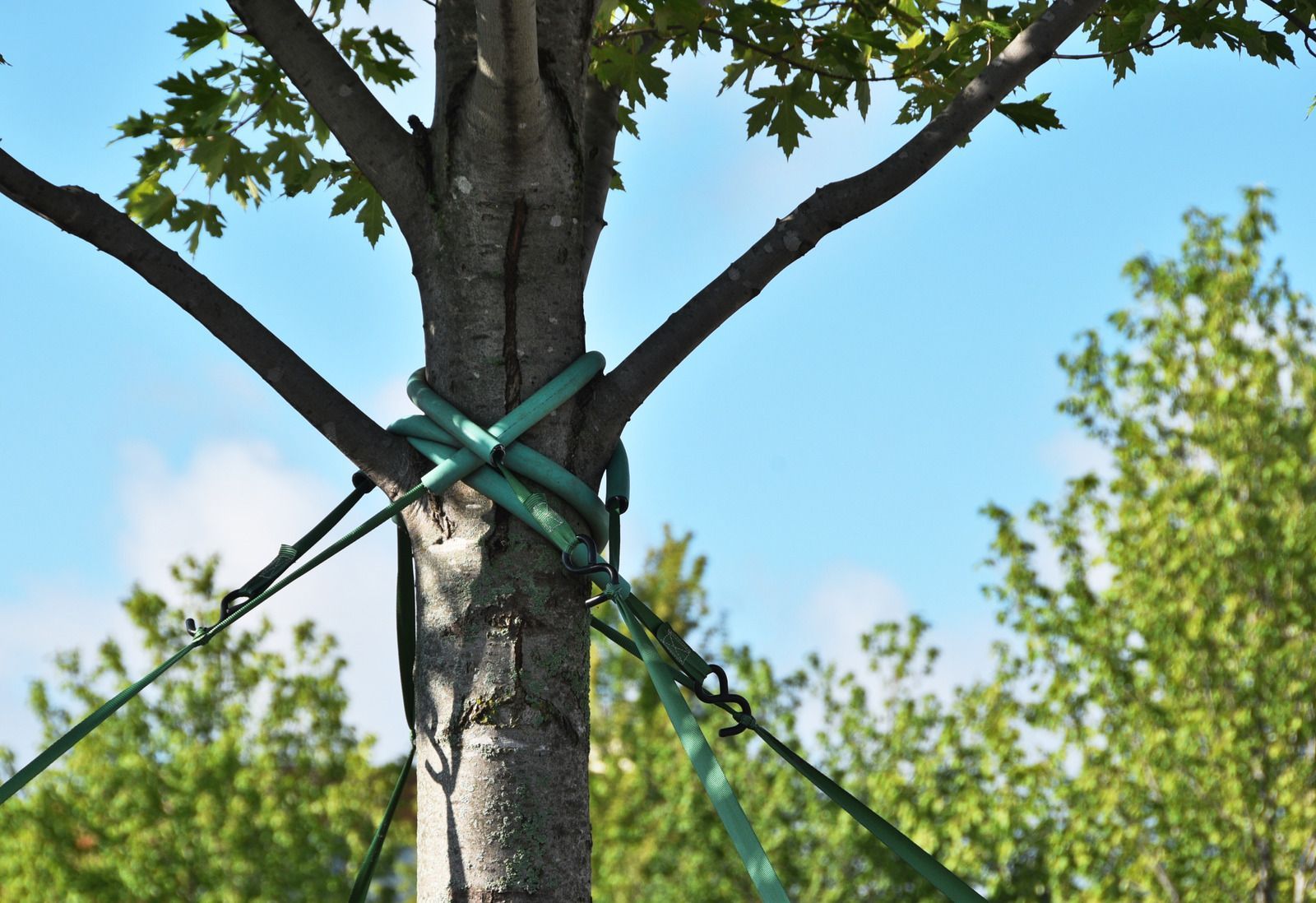
Static cabling provides rigid support for trees with severe structural weaknesses or high risk of failure. By limiting excessive movement, these systems stabilize compromised areas and prevent further damage, ensuring that the tree remains secure and functional while reducing the risk of sudden structural collapse
Tree Bracing Rod Installation for Split Trunks
Bracing rods are installed to reinforce split trunks and major structural fractures. These rods hold sections together, preventing further separation while allowing the tree to heal and stabilize. This method is essential for preserving trees with significant internal weaknesses that would otherwise require removal.
Multi-Point Support Systems for Complex Tree Structures
Some trees require multiple support points to address various structural issues. Multi-point systems combine cabling and bracing techniques to stabilize complex growth patterns, ensuring that weight is evenly distributed and all vulnerable areas are reinforced for long-term stability and safe performance.
Structural Risk Assessment and Support Planning
Before installation, a detailed evaluation identifies areas of weakness, load distribution issues, and environmental risks. This planning phase ensures that the appropriate support system is selected and installed correctly, providing effective reinforcement while aligning with the tree’s natural structure and long-term growth requirements.
Maintenance and Adjustment of Support Systems Over Time
Cabling and bracing systems require periodic inspection and adjustment to remain effective. Maintenance ensures that supports continue to function properly as the tree grows, preventing issues caused by tension changes and ensuring that the system adapts to the tree’s evolving structure over time.
Benefits of Tree Cabling & Bracing
Prevention of Structural Failure in Weak Tree Unions
Tree cabling and bracing provide critical support to weak branch unions and split trunks, reducing the likelihood of structural failure. By reinforcing vulnerable points, these systems help maintain stability, preventing breakage that could result in property damage or loss of valuable trees over time.
Extended Lifespan of Mature and Valuable Trees
Support systems allow structurally compromised trees to continue growing safely. Instead of removing mature trees, cabling and bracing preserve their longevity by stabilizing key areas, ensuring that they remain a functional and aesthetically valuable part of the landscape for years without unnecessary risk or deterioration.
Protection Against Storm and Weather-Related Damage
Cabling and bracing reduce the impact of high winds, heavy snow, and ice accumulation by distributing stress across the tree. This minimizes the risk of limb breakage and structural failure, helping trees withstand severe weather conditions while protecting surrounding property and maintaining overall landscape stability.
Improved Load Distribution Across Tree Structure
These systems help balance uneven weight across branches and trunks, preventing excessive strain on specific areas. By redistributing load effectively, cabling and bracing reduce stress points, allowing the tree to maintain a more stable and natural growth pattern while minimizing the risk of long-term structural damage.
Preservation of Landscape Aesthetics Without Removal
Cabling and bracing provide an alternative to tree removal, allowing trees to remain part of the landscape. This preserves visual appeal, shade, and environmental benefits while ensuring that structural weaknesses are managed effectively without compromising safety or the overall integrity of the property.
Cost-Effective Alternative to Tree Removal and Replacement
Reinforcing existing trees is often more economical than removal and replacement. Cabling and bracing reduce the need for costly removals while preserving mature trees, offering a practical solution that maintains landscape value and minimizes long-term expenses associated with tree loss and replanting efforts.
BENEFITS 1
Insert content
BENEFITS 2
Insert content
BENEFITS 3
Insert content
Reinforcing Weak Trees to Prevent Breakage and Failure
Tree cabling and bracing represent a balance between preservation and protection, allowing trees to remain strong without compromising safety. At TWIN PINES TREE CARE & LANDSCAPING, every support system is designed with precision, ensuring that structural weaknesses are addressed while maintaining the natural integrity of the tree. In Maple Plain and The Twin Cities Metro, Minnesota, where environmental conditions place continuous stress on tree structures, proactive reinforcement becomes essential for long-term stability. By focusing on strategic support rather than removal, we create solutions that preserve both function and appearance. Each installation is a step toward sustaining the landscape, ensuring that trees continue to provide value, resilience, and stability for years to come. Protect your trees before problems escalate—schedule a professional cabling and bracing assessment today.
FAQ's
Got Questions? We’ve Got Answers.
What is tree cabling and bracing used for?
Tree cabling and bracing are used to support structurally weak trees, particularly those with split trunks, heavy limbs, or multiple leaders. These systems reinforce vulnerable areas, reducing the risk of failure while allowing the tree to continue growing safely within its environment without requiring removal or drastic intervention measures.
How do I know if my tree needs cabling or bracing?
Signs include visible cracks, split trunks, heavy leaning branches, or weak branch unions. Trees exposed to strong winds or heavy snow loads may also benefit from support. A professional assessment helps determine whether cabling, bracing, or other solutions are necessary to maintain safety and stability.
Is cabling and bracing a permanent solution?
Cabling and bracing systems are long-term solutions but require periodic inspection and maintenance. As trees grow, adjustments may be needed to ensure continued effectiveness. Properly maintained systems provide ongoing support, helping trees remain stable and functional over many years without compromising their natural development.
Will cabling and bracing harm the tree?
When installed correctly, these systems do not harm the tree. Instead, they support natural growth by reducing stress on weak areas. Proper installation ensures that the tree continues to develop normally while benefiting from additional structural reinforcement that enhances stability and reduces risk.
Can cabling prevent tree removal entirely?
In many cases, yes. Cabling and bracing can stabilize trees that would otherwise require removal due to structural weakness. By reinforcing key areas, these systems allow trees to remain part of the landscape while maintaining safety and reducing the likelihood of future failure or damage.
Do support systems work in extreme weather conditions?
Yes, Twin Pines Tree Care & Landscaping in Maple Plain and The Twin Cities Metro, Minnesota installs systems designed to withstand local weather conditions. These supports help trees manage stress from wind, snow, and ice, improving resilience and reducing the likelihood of structural damage during extreme environmental events common in the region.
How long does installation take?
Installation time depends on tree size, complexity, and the type of system required. Most projects can be completed within a few hours, while more complex support systems may take longer. The process focuses on precision to ensure that the system is installed correctly and functions effectively.
Why choose professional installation for cabling and bracing?
Twin Pines Tree Care & Landscaping in Maple Plain and The Twin Cities Metro, Minnesota ensures that systems are properly designed, installed, and maintained. Professional installation guarantees that support systems align with the tree’s structure, providing reliable reinforcement and reducing risks associated with improper placement or ineffective support techniques
BENEFITS 1
Insert content
BENEFITS 2
Insert content
BENEFITS 3
Insert content