
Land Clearing in Maple Plain and The Twin Cities Metro, Minnesota
OR GIVE US A CALL
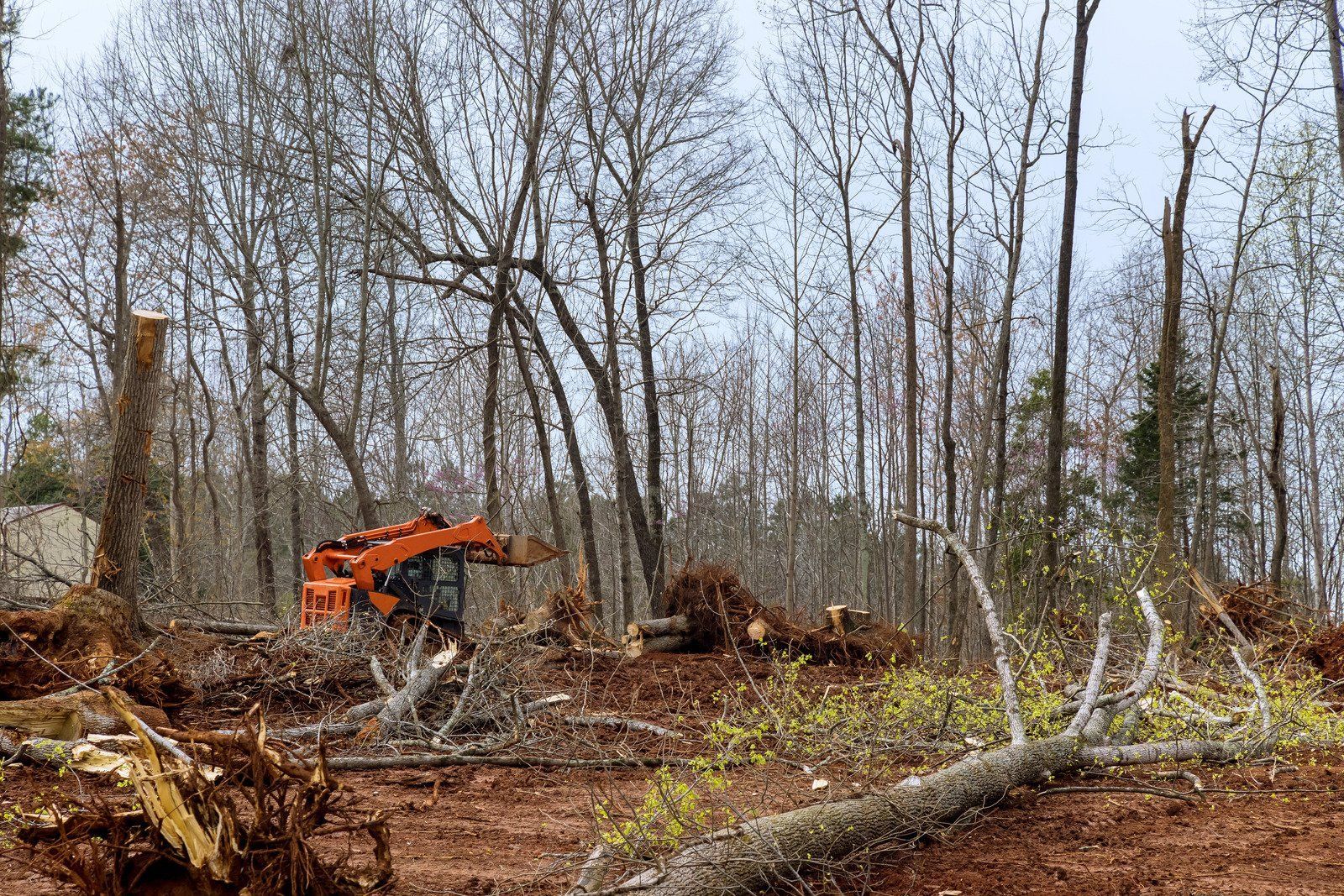
Professional Land Clearing for Clean and Usable Property
Land clearing is where transformation truly begins—not as a chaotic removal process, but as a carefully controlled operation that defines how land will perform over time. At TWIN PINES TREE CARE & LANDSCAPING, every clearing project is handled with purpose and precision, focusing on creating stable, usable ground while preserving the surrounding environment. With over 25 years of experience, we recognize that effective land clearing goes beyond removing vegetation; it is about preparing the site for construction, improving accessibility, managing drainage, and ensuring long-term functionality without unnecessary disruption or imbalance.
We serve Maple Plain and The Twin Cities Metro, Minnesota, along with surrounding areas including Delano, Orono, Medina, and Independence. Throughout Hennepin County and nearby regions, properties experience ongoing challenges such as rapid vegetation growth, shifting soil conditions, and seasonal moisture fluctuations. These environmental factors directly influence how land responds to clearing, making it essential to approach each project with a clear understanding of terrain, drainage flow, and future land use to maintain stability and performance.
Our approach is built on controlled removal, detailed surface preparation, and structural balance. Every phase, from clearing trees and dense brush to grading and managing debris, is executed with accuracy and consistency. The objective is not simply to create open space, but to prepare land that performs reliably in its next phase. The result is a clean, stable foundation that supports development, enhances accessibility, and maintains long-term durability across changing environmental conditions without requiring repeated corrective work or additional intervention.
Our Land Clearing Services
Full Lot Clearing
Full lot clearing removes trees, brush, and debris across the entire property to create a clean, open surface. This service prepares land for construction, landscaping, or agricultural use, ensuring that the site is free of obstacles and ready for immediate development or long-term planning
Selective Clearing
Selective clearing focuses on removing specific vegetation while preserving desired trees and natural features. This approach maintains environmental balance while improving usability, allowing landowners to retain key landscape elements while eliminating overgrowth and creating more accessible, functional space.
Brush and Undergrowth Removal
This service targets dense brush, shrubs, and smaller vegetation that restrict access and visibility. Removing undergrowth improves navigation across the property, reduces fire risks, and prepares the land for further development or maintenance without disturbing larger structural elements.
Tree and Stump Removal
Tree and stump removal eliminates obstacles that interfere with land use and development. By removing both above-ground and below-ground remnants, this service ensures a smoother surface, prevents regrowth, and prepares the land for grading, construction, or landscaping projects.
Site Grading and Leveling
Grading and leveling shape the land to create a stable, even surface. This process improves drainage, prevents water accumulation, and ensures that the site is properly prepared for construction or landscaping, supporting long-term stability and consistent land performance.
Debris Removal and Site Cleanup
After clearing, all debris is removed to leave the site clean and ready for use. This includes hauling away vegetation, wood, and other materials, ensuring that the property is fully prepared for its next phase without leftover obstacles or environmental disruption.
Benefits of Land Clearing
Improved Land Usability
Land clearing transforms overgrown or inaccessible areas into functional spaces ready for development, agriculture, or landscaping. By removing obstacles such as trees, brush, and debris, the land becomes easier to navigate, maintain, and utilize effectively for both short-term projects and long-term property goals.
Enhanced Property Safety
Clearing reduces potential hazards by eliminating dead trees, unstable vegetation, and concealed obstacles. This minimizes risks related to falling debris, fire hazards, and restricted visibility, creating a safer environment for construction, access, and everyday use across the property.
Better Drainage and Soil Performance
Removing dense vegetation and debris allows for improved water flow and soil stability. Proper clearing prevents water accumulation, reduces erosion, and supports healthier soil conditions, ensuring that the land remains stable and capable of supporting structures, landscaping, or agricultural use over time.
Increased Property Value
Well-cleared land enhances visual appeal and functionality, making properties more attractive for development or resale. A properly prepared site signals readiness for use, improving marketability and increasing the overall value of the property by demonstrating clear potential and usability.
Efficient Site Preparation for Construction
Clearing prepares land for building by removing obstructions and creating a level, stable surface. This ensures that construction can begin without delays or complications, supporting efficient project timelines and reducing the need for additional preparation work during the building process.
Controlled Vegetation Management
Regular clearing prevents overgrowth from becoming unmanageable. By maintaining control over vegetation, landowners can reduce invasive species spread, improve accessibility, and ensure that the property remains organized and functional without recurring large-scale clearing efforts.
BENEFITS 1
Insert content
BENEFITS 2
Insert content
BENEFITS 3
Insert content
Preparing Land for Development with Precision and Control
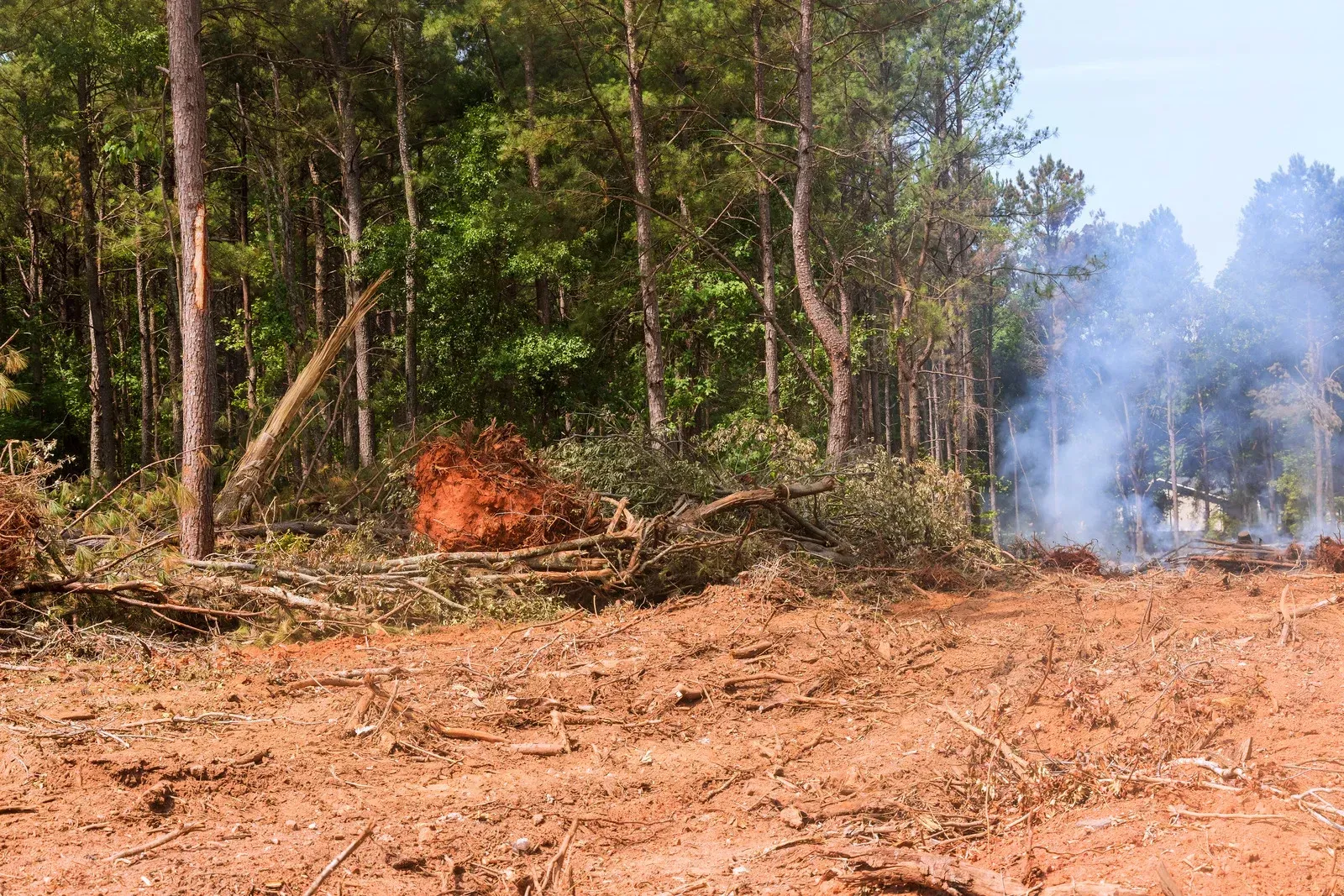
Land clearing sets the foundation for everything that follows, making precision and planning essential from the very beginning. At Twin Pines Tree Care & Landscaping, every project is carried out with a focus on creating stable, usable land that supports long-term goals. In Maple Plain and The Twin Cities Metro, Minnesota, where environmental conditions influence how land responds to clearing, a structured approach ensures consistent results. By combining controlled removal with careful surface preparation, we create spaces that are not only open but functional and reliable. The outcome is land that is ready for development, accessible for ongoing use, and capable of maintaining its performance through changing seasons. With a focus on efficiency, balance, and long-term usability, each clearing project becomes a step toward a stronger, more adaptable property that performs as intended without unnecessary complications or repeated work.
FAQ's
Got Questions? We’ve Got Answers.
What does land clearing involve?
Land clearing involves removing trees, brush, stumps, and debris to prepare land for development, landscaping, or agricultural use. It may also include grading and leveling to create a stable, functional surface that supports long-term usability and consistent performance across changing environmental conditions and future property needs.
How long does a land clearing project take?
Project timelines vary based on property size, vegetation density, and terrain conditions. Smaller projects may take a few days, while larger or more complex sites require additional time. Careful planning ensures efficient progress without compromising clearing quality, surface preparation, or the long-term usability of the land.
Is land clearing necessary before construction?
Land clearing is essential before construction because it removes obstacles and prepares a stable surface. It helps prevent delays, ensures proper foundation conditions, and supports efficient building processes. Without clearing, hidden vegetation and uneven terrain can lead to complications that affect structural stability and project timelines.
Can land clearing improve drainage?
Yes, land clearing improves drainage by removing vegetation that restricts water flow and by reshaping the surface. Proper grading ensures water moves efficiently across the land, reducing pooling, preventing erosion, and maintaining soil stability, which is essential for supporting construction, landscaping, and long-term land performance.
What is the difference between full clearing and selective clearing?
Full clearing removes all vegetation from a property, creating a completely open surface for development. Selective clearing removes specific vegetation while preserving desired trees or features. This allows landowners to maintain natural elements while improving accessibility, functionality, and usability without completely altering the landscape structure
How does land clearing impact soil health?
When performed correctly, land clearing improves soil health by removing competing vegetation and allowing better nutrient distribution. Proper techniques minimize disruption, reduce compaction, and prevent erosion, ensuring that the soil remains stable and capable of supporting future development, landscaping, or agricultural use effectively.
Do you provide land clearing services for residential properties?
Yes, Twin Pines Tree Care & Landscaping in Maple Plain and The Twin Cities Metro, Minnesota provides land clearing services for residential properties. Each project is tailored to improve usability, prepare for construction or landscaping, and maintain soil stability, ensuring that the cleared land supports long-term performance and consistent property functionality.
What happens to the debris after clearing?
After land clearing, all debris is removed or processed during the cleanup phase. Twin Pines Tree Care & Landscaping in Maple Plain and The Twin Cities Metro, Minnesota ensures materials are handled efficiently, leaving the site clean and ready for use. This final step is essential for completing the clearing process properly.
BENEFITS 1
Insert content
BENEFITS 2
Insert content
BENEFITS 3
Insert content