Professional Tree Inspection Services: Preventing Costly Damage Before It Starts
June 25, 2026
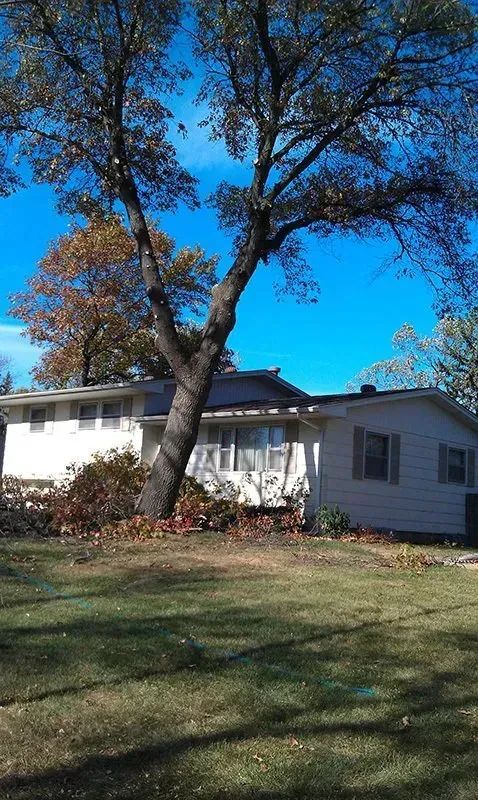
You walk the yard after a windy night and notice it. A long crack down the trunk of the big oak near the driveway. Maybe a cluster of shelf shaped fungus near the base, or the whole tree leaning a little more than it did last summer. That uneasy feeling in your gut is worth trusting. Serious tree failures almost never happen out of nowhere. The damage builds quietly for months or years, and the early signs sit in plain view long before a limb drops or a trunk splits.
So here is the most useful thing to know. A real
tree inspection exists to catch those slow building problems while the wood can still be saved. We have climbed, sounded, and assessed thousands of trees, and the pattern barely changes. The tree that comes down in a storm showed decay, root trouble, or a weak fork well before the wind found it. Reading those signs early is the whole job.
What To Do The Moment Something Looks Off
Start with a slow, honest look at the whole tree before you touch anything. Most homeowners zoom to the one cracked branch and miss the bigger story.
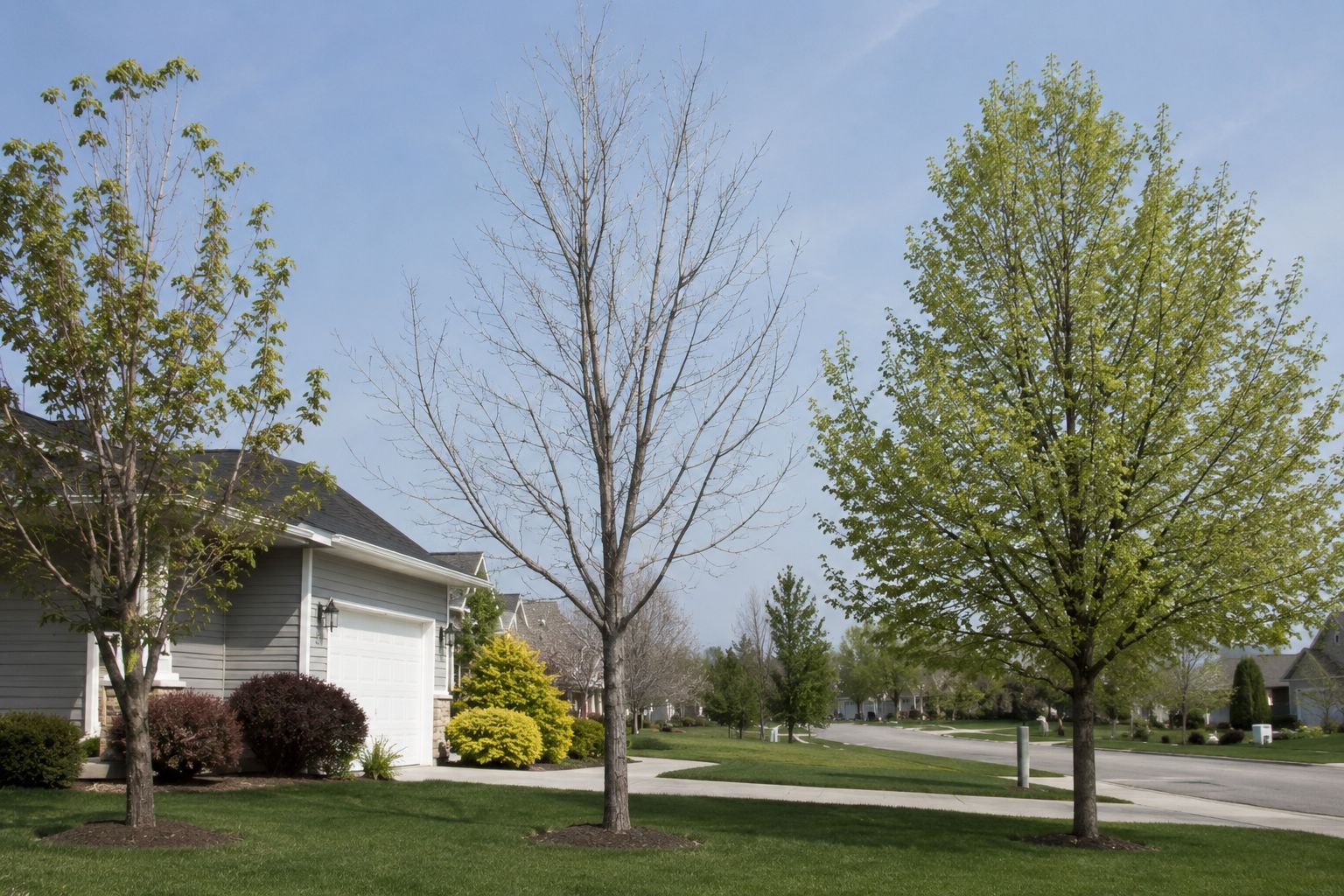
- Stand back about thirty feet and study the full shape. A sudden lean, or a canopy thinning on just one side, flags a root or trunk problem.
- Walk to the base and look at the root flare where the trunk widens into the ground. Mushrooms, soft bark, or heaved soil point to root decay.
- Look straight up. Dead limbs, hanging branches, and bark peeling in vertical strips are the parts that fail first.
- Note anything that changed recently. A new lean or a fresh crack is the clue that matters most.
WARNING: If a leaning tree hangs over your house, or any branch sits near a power line, stay back and keep people and pets clear of the drop zone. A splitting trunk or a tree resting against wires can fail without warning.
TIP: Drive a stake into the ground at the edge of a leaning tree and snap a photo against it. Check the gap after the next storm. Movement of even an inch tells you the roots are giving way.
What Is Actually Threatening Your Tree
Root and root collar problems sit behind more failures than anything else we find. When soil gets piled against the trunk, or mulch is heaped into a volcano around the base, the bark stays wet and rots where you cannot see it. The tree looks fine on top for a season or two. Then a storm hits and the whole thing tips, roots and all, because the anchor was already gone.
Internal decay is the quiet one. An old cut, a mower strike, or a torn limb lets fungus into the wood, and it hollows the trunk from the inside while the outside still grows bark over it. A cavity at the base, or a hollow thud when you tap the trunk, means more wood is missing than you can see.
Structural defects build in over decades. Two trunks growing from the same point with bark pinched between them form a weak union that splits under ice or wind. Disease moves faster than most owners expect. Around this part of Minnesota, oak wilt can kill a healthy red oak in a single season once it spreads through connected roots, and emerald ash borer has thinned out ash trees across the metro.
How We Read A Tree In The Field
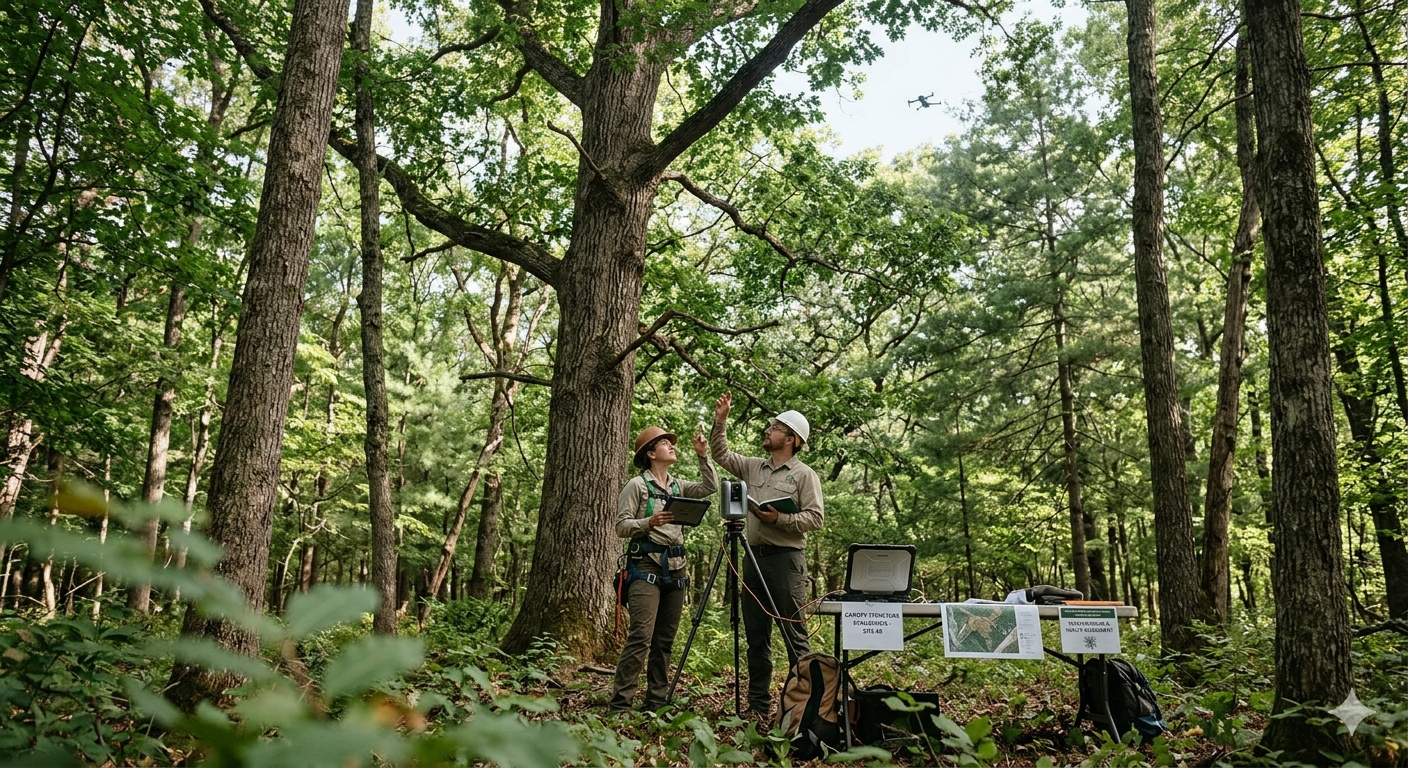
A trained inspection is mostly about finding damage hiding under good looking bark. We start at the roots and work up, because the base is where the failures that flatten a house begin.
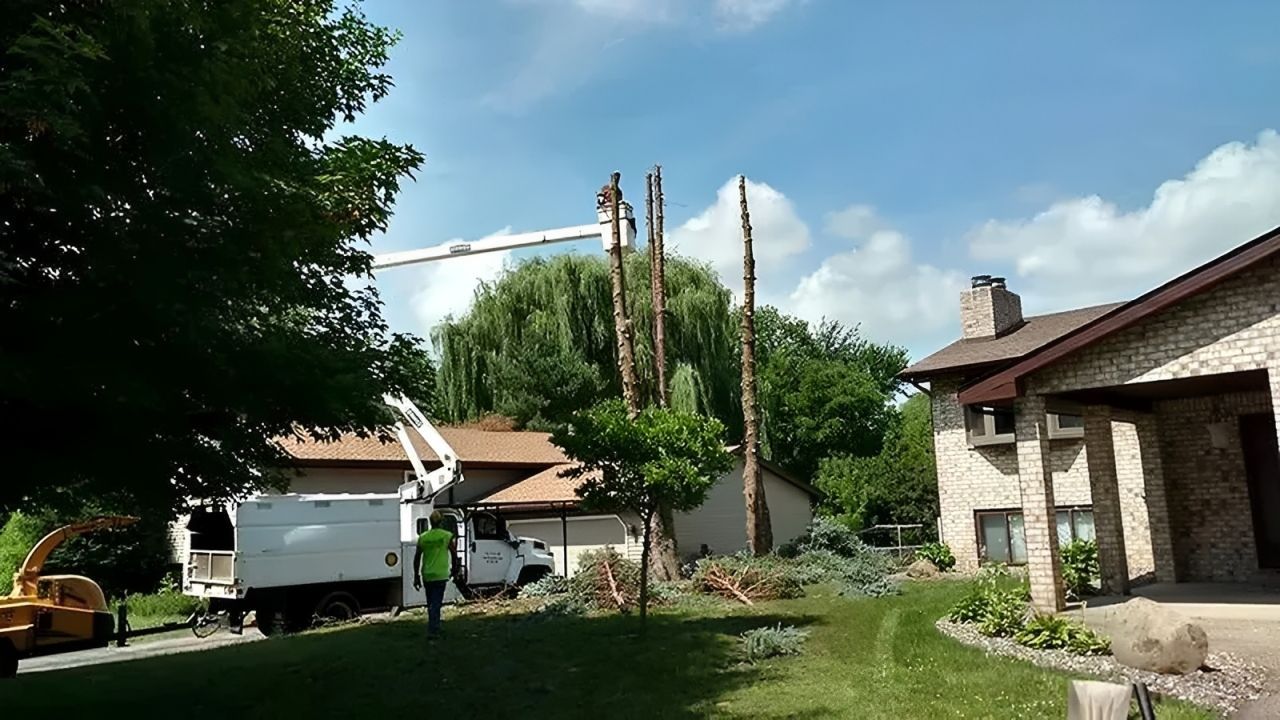
On service calls we frequently tap the lower trunk with a mallet and listen. Solid wood rings tight. A hollow thud means decay, and we mark that spot to probe deeper. We pull mulch and soil away from the root flare to check for rot and girdling roots that strangle the trunk underground, then move up to scan each major fork for pinched bark and read the canopy for deadwood. Buried root flares, mulch piled too high, and one weak fork carrying too much weight show up on a large share of the trees we assess. None of it is visible from the porch.
When A Tree Can Be Saved And When It Cannot
Honest answer first. Plenty of trees that look scary are fixable, and plenty that look fine are already past saving. It comes down to how much sound wood is left and where the weakness sits.
A tree with healthy roots, a single repairable defect, and good wood through most of the trunk is usually worth keeping. Pruning out deadwood, supporting a weak fork, and correcting a buried root flare can buy years of safe life. When more than a third of the trunk is hollow at the base, or the roots are rotted and the tree has started to lean, the math changes, and we focus on getting it down safely before it falls on its own.
Why Trees Around Maple Plain Fail Differently
The seasons here put loads on trees that milder regions never see. Heavy wet snow in late fall and early spring coats the canopy and snaps weak forks that would have survived a dry climate. Ice storms pile on more weight, and the oaks and maples filling these yards carry it on long horizontal limbs that work like levers.
Winter brings frost cracks. When a cold night follows a sunny afternoon, the outer wood contracts faster than the core and splits the trunk with a sound like a rifle shot. Those cracks reopen every cold snap and become a doorway for decay.
Spring is the riskiest stretch for disease. Oak wilt spreads hard from roughly April through July, which is why we never make fresh oak cuts during that window. The clay heavy soils common across the west metro also hold water against roots after a wet spring, speeding up the root rot that topples trees in the first big summer windstorm.
Keeping Your Trees Sound Through The Seasons
Walk your trees once a month and just look, watching for new lean, fresh cracks, fungus at the base, and deadwood in the canopy. Each spring, pull back any mulch that has crept against the trunk so the bark stays dry. In summer, watch for canopy thinning and out of season browning. Through fall, clear weak limbs before the wet snow arrives, since those are the ones that land on roofs and cars.
Once a year, bring in trained eyes for a full assessment, more often for big trees that overhang the house. The most local habit worth keeping is simple. Never cut an oak between April and July. That one rule prevents more oak wilt than any treatment.
Mistakes That Turn A Healthy Tree Into A Hazard
Topping is the big one. When a tree gets its crown cut back to stubs, it panics and throws up weak fast growing shoots that are barely attached. People do it to make a tree smaller and safer, and it does the opposite.
The mulch volcano seems harmless and is just as common. A tall cone against the trunk traps moisture against the bark and rots the root collar over a few quiet seasons. Keep mulch in a flat ring, a few inches off the trunk. And do not wait for a tree to look obviously dead before getting it checked. By the time the canopy is bare, the failure already happened underground.
Frequently Asked Questions
How often should I have my trees inspected?
Once a year is the baseline for most yards. For large trees hanging over your house, driveway, or play area, check them twice a year and after any major storm.
Can a leaning tree fall, or is it fine?
A tree that has always leaned slightly is often stable. A new lean, soil heaving at the base, or movement after a storm means the roots are failing. Stay clear and get it assessed.
What does fungus at the base of my tree mean?
Shelf fungus or mushrooms at the root flare usually point to decay in the roots or lower trunk. It is one of the clearest signs a tree needs a closer look soon.
When is it too late to save a tree?
Once more than a third of the trunk is hollow, or the roots have rotted and the tree leans, saving it is rarely safe. We then focus on removing it before it falls.
Why should I never prune my oak in spring?
Oak wilt spreads hardest from April through July, drawn to fresh cuts. Pruning an oak then can infect the tree and nearby oaks. Wait for the cold dormant months.
Trusted Tree Inspection Experts Serving Maple Plain Homeowners
A tree almost always warns you before it fails, and the warning sits in the roots, the trunk, and the canopy long before a storm makes the decision for you. That window matters more here, where wet snow, ice loads, frost cracks, and an aggressive oak wilt season stack the odds against trees that look healthy from the porch. At TWIN PINES TREE CARE & LANDSCAPING, we have spent more than 25
years reading those signs and catching failures early across Maple Plain, Minnesota. If something in your yard has you uneasy, walk it with us before the next storm forces the issue.