Why Hiring Certified Arborists Ensures Long-Term Tree Health & Safety?
May 27, 2026
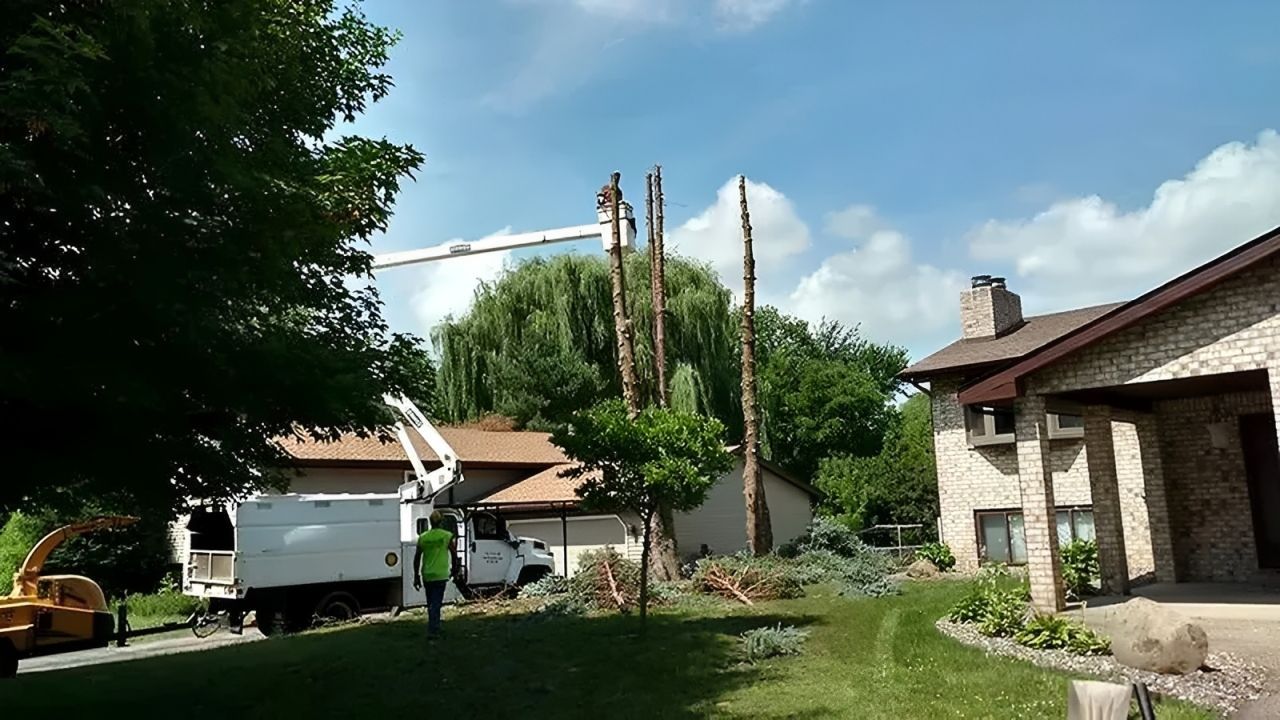
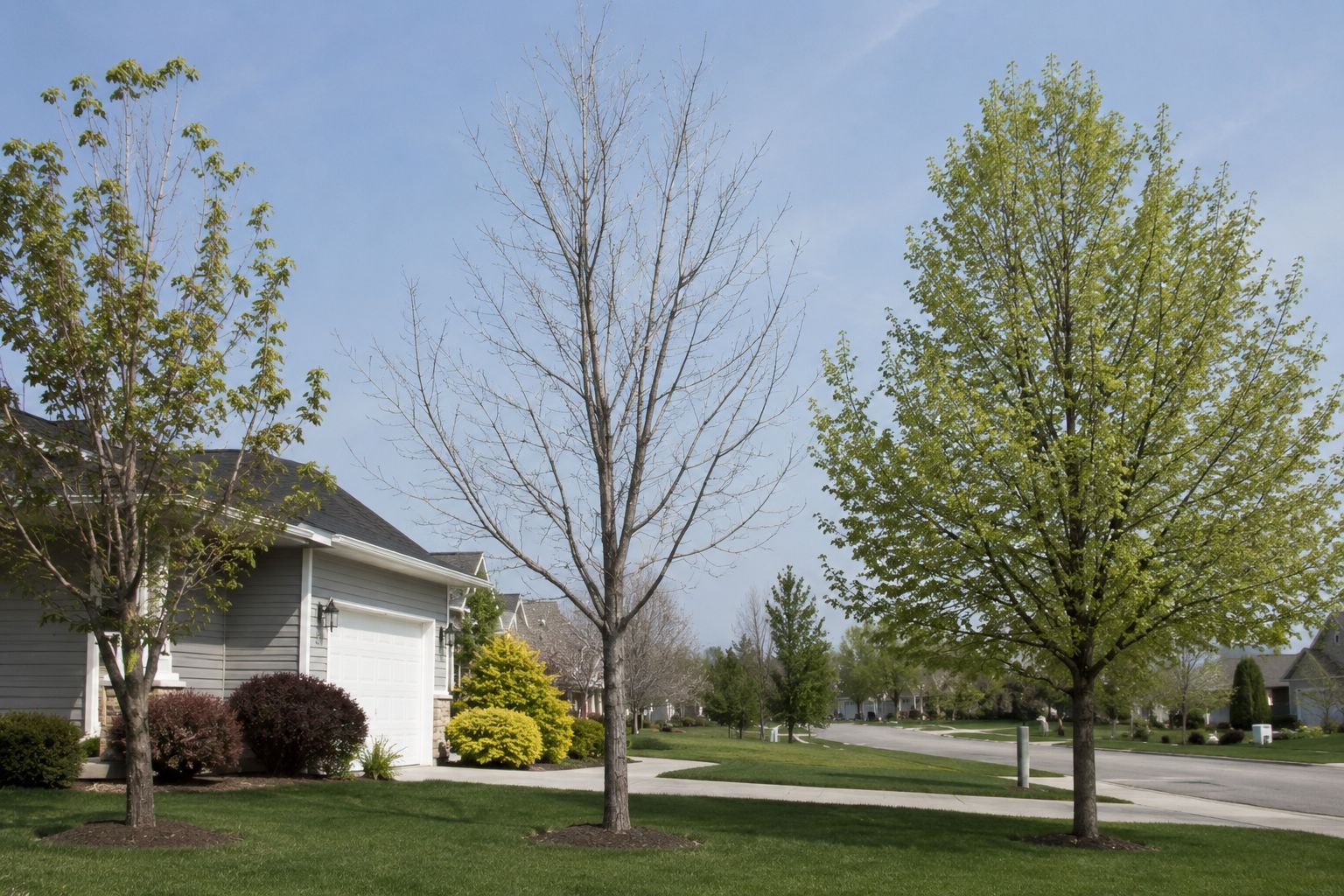
Trees are among the most valuable living assets in any landscape, contributing to environmental balance, property value, and long-term ecological stability. However, maintaining tree health is far more complex than occasional trimming or watering. Trees require scientific care, risk assessment, and precise interventions that align with their biological structure and growth patterns. This is where certified arborists play a critical role in ensuring both safety and sustainability in tree management. Their expertise helps prevent long-term decline caused by unnoticed stress factors, soil imbalance, and improper maintenance practices. With structured evaluation methods, healthier canopy development and stronger root systems can be supported across varying conditions. This level of care also reduces the likelihood of sudden structural failures that may pose risks to nearby spaces.
The demand for professional tree care has increased significantly as urban development expands and mature trees coexist with residential and commercial spaces. Improper pruning, unnoticed disease, or structural instability can quickly turn a healthy tree into a safety hazard. Certified arborists bring trained judgment, diagnostic skill, and industry-recognized methods that protect both property and the surrounding environment. Their expertise ensures trees continue to thrive while minimizing risks associated with weak limbs, root damage, or environmental stress. Understanding the importance of certified arborists is essential for anyone responsible for landscape care, as their work directly influences long-term tree vitality, safety compliance, and the overall health of outdoor spaces. This professional approach also supports better planning for future growth and landscape sustainability. Consistent monitoring and expert intervention help maintain a safer and more balanced outdoor environment year-round.
Scientific Tree Assessment and Risk Evaluation
Understanding Tree Biology and Structure
Certified arborists apply advanced knowledge of tree biology to evaluate health conditions beyond surface-level observation. Every tree has a unique vascular system, growth pattern, and structural load distribution that changes with age and environment. Misinterpreting these factors can lead to unnecessary removal or improper pruning that weakens long-term stability and future growth potential.
Early Detection of Disease and Decay
One of the most critical advantages of professional assessment is early detection. Fungal infections, internal decay, pest infestations, and nutrient deficiencies often remain hidden until significant damage occurs within the structure. Arborists use diagnostic tools and field-tested techniques to identify issues before they escalate into irreversible decline, affecting overall tree safety.
Structural Risk Analysis in Urban Settings
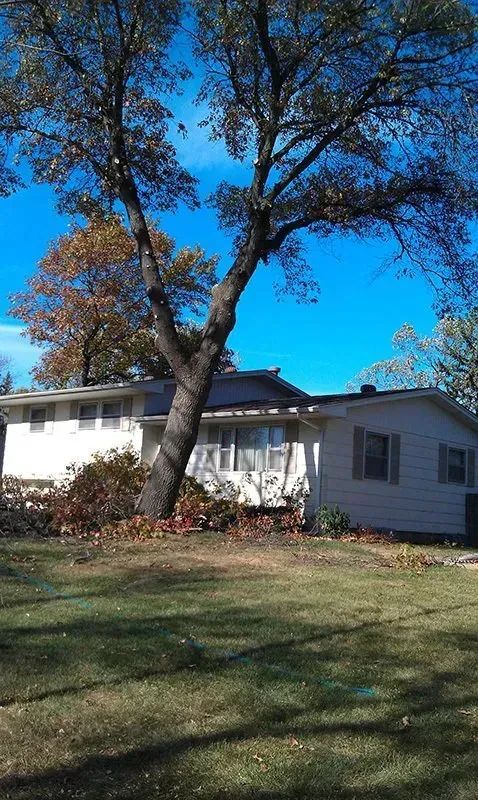
Trees located near homes, roads, or power lines require detailed risk evaluation. Weak branch unions, leaning trunks, or compromised root systems can pose serious hazards during storms or high winds under pressure conditions. Certified professionals assess failure probability and recommend corrective measures that balance safety with preservation of healthy tree structure.
Precision Pruning and Growth Management
Correct Pruning Techniques for Long-Term Strength
Improper cutting techniques can permanently damage a tree’s structure. Certified arborists follow precise pruning standards that promote natural healing and reduce stress on critical limbs over time. Cuts are made at specific angles and locations to support natural recovery and maintain long-term structural integrity.
Encouraging Healthy Growth Patterns
Strategic pruning helps guide tree growth in a controlled and sustainable manner. This prevents overcrowding of branches, improves light penetration across canopy layers, and strengthens overall structural balance. Proper shaping also reduces wind resistance, lowering the risk of storm-related breakage during severe weather conditions.
Avoiding Common Pruning Mistakes
Over-pruning, topping, and random limb removal are common mistakes that weaken trees over time significantly. These practices expose trees to disease and decay while disrupting natural energy distribution throughout the system. Professional care ensures each cut serves a biological purpose rather than a cosmetic appearance goal alone.
Soil Health, Nutrition, and Root Protection
Importance of Root Zone Stability
The root system is the foundation of tree health, yet it is often overlooked in routine maintenance practices. Compaction, construction activity, and poor irrigation practices can severely restrict root development and nutrient absorption efficiency. Certified arborists assess soil conditions and implement strategies to maintain healthy root zones long-term.
Nutrient Management and Soil Balance
Trees require a balanced supply of nutrients to sustain growth and resist disease throughout seasonal changes. Soil testing helps identify deficiencies in nitrogen, potassium, and other essential elements affecting vitality. Based on results, tailored fertilization programs are designed to restore soil vitality and long-term ecosystem balance.
Protecting Roots During Construction Projects
Construction work near trees can cause long-term damage if not managed properly during development phases. Root cutting, soil disturbance, and heavy machinery pressure can destabilize mature trees significantly over time. Arborists develop protection plans that preserve root integrity while allowing safe construction activities around sensitive zones.
Disease, Pest Control, and Preventive Care
Integrated Pest Management Strategies
Certified arborists use environmentally responsible methods to control pests without harming surrounding ecosystems or beneficial organisms. Instead of relying solely on chemical treatments, integrated pest management combines biological, mechanical, and cultural control methods. This balanced approach supports long-term ecological health and tree resilience across seasons.
Identifying Early Warning Signs of Infestation
Leaf discoloration, bark damage, and unusual growth patterns often signal pest activity within tree systems. Early identification allows for targeted intervention before infestations spread across multiple trees or surrounding landscape areas. Timely action reduces long-term damage and supports the recovery of affected vegetation structures.
Preventive Treatments for Long-Term Protection
Preventive care includes seasonal inspections, protective sprays, and soil treatments that strengthen natural resistance against pests and disease pressure. These measures reduce the likelihood of recurring disease cycles and improve overall resilience against environmental stress factors. Consistent monitoring ensures sustained tree health across changing conditions.
Safety Compliance and Hazard Prevention
Reducing Property and Human Risk
Unstable trees can pose significant safety threats during storms or high winds in residential and commercial areas. Falling branches or uprooted trees may cause property damage or personal injury situations quickly. Certified arborists evaluate structural integrity and recommend corrective actions to minimize these risks before incidents occur.
Emergency Tree Response and Storm Recovery
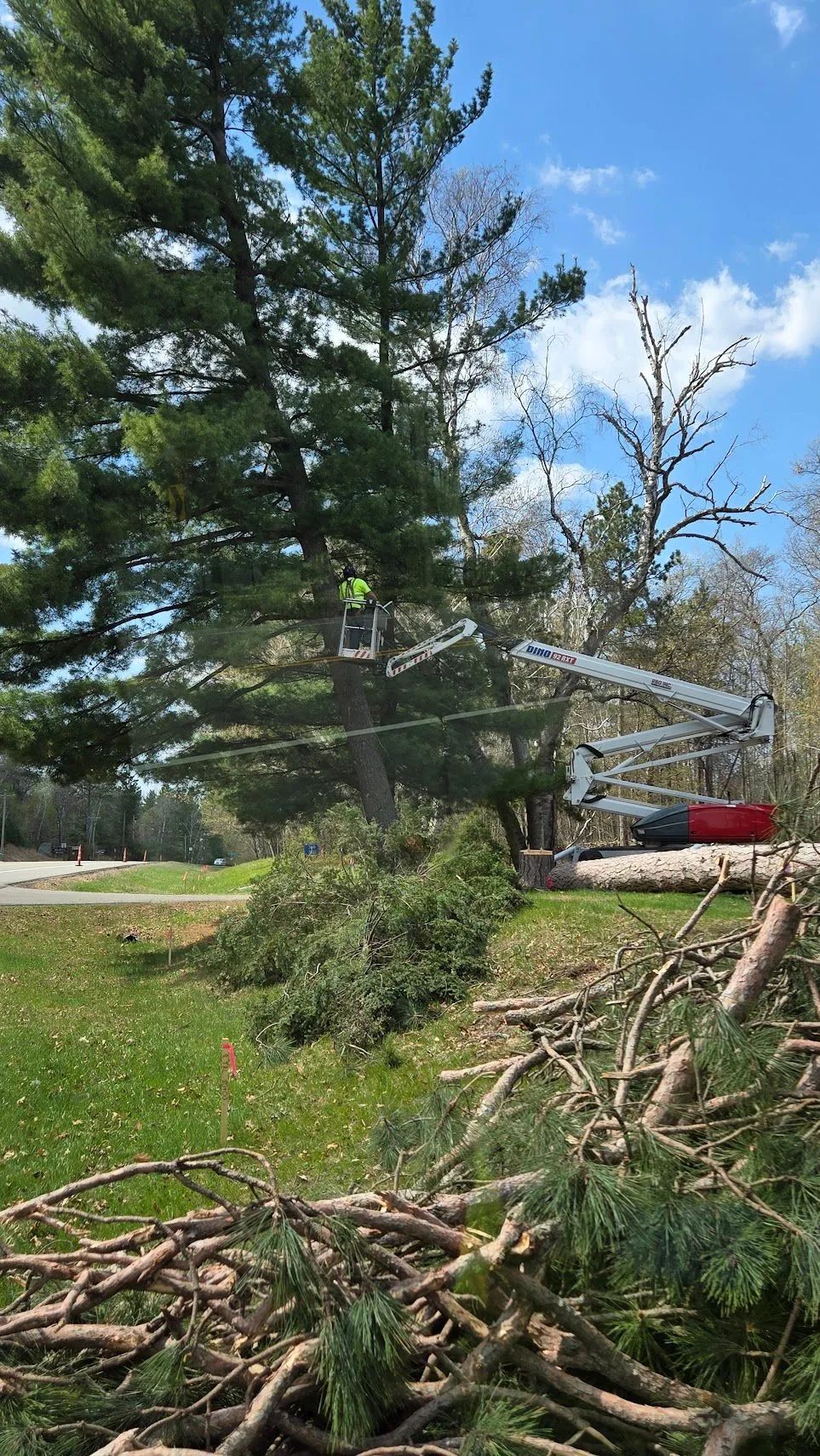
Severe weather events often result in immediate tree hazards requiring urgent professional intervention and stabilization efforts. Professional arborists provide rapid response services that include safe removal of damaged limbs and stabilization of partially uprooted trees. These actions restore safety and prevent further environmental or structural damage.
Compliance with Industry Safety Standards
Tree care involves specialized equipment and high-risk procedures that require strict operational discipline and training. Certified professionals follow strict safety protocols to ensure secure operations in all conditions. This reduces liability concerns and ensures all work aligns with regulatory and industry standards.
Long-Term Landscape Planning and Sustainability
Strategic Tree Placement and Selection
Selecting the right tree species for specific environments ensures long-term success and landscape compatibility over decades. Factors such as soil type, climate conditions, and available space are carefully considered before planting decisions are finalized. Proper selection reduces maintenance challenges and supports healthy growth throughout maturity stages.
Enhancing Property Value Through Healthy Trees
Well-maintained trees significantly increase property appeal and market value in residential and commercial settings alike. Mature, healthy trees provide shade, energy savings, and aesthetic balance that enhance overall landscape quality significantly. This contributes to stronger curb appeal and long-term investment benefits for property owners.
Sustainable Tree Management Practices
Sustainability-focused care ensures trees continue contributing to the environment for decades without degrading surrounding ecosystems. This includes water conservation techniques, organic soil treatments, and minimal-impact maintenance strategies supporting ecological balance. Long-term planning strengthens environmental resilience and preserves natural resources for future generations.
Certified Arborist Solutions Supporting Healthy Safe Landscapes
Certified arborist services play a vital role in maintaining tree stability, preventing hazards, and ensuring long-term environmental health. From disease detection to structural pruning and soil management, professional care supports every stage of a tree’s lifecycle. Without expert intervention, trees may decline silently, creating risks that affect both safety and property value. Long-term tree care requires a balance of science, precision, and consistent monitoring. Certified expertise ensures that balance is maintained while preserving natural beauty and structural integrity. Proper management also reduces future maintenance costs and strengthens landscape resilience across seasons and environmental changes. It also supports proactive prevention, ensuring minor issues are addressed before they develop into major structural or ecological concerns. This approach contributes to healthier green spaces that remain stable and sustainable over time.
We provide structured tree care and land management solutions designed to support healthy landscapes and safe environments. Our approach focuses on long-term stability, precise assessment methods, and responsible maintenance practices that align with industry standards. Every project is handled with attention to biological structure, environmental conditions, and safety requirements that protect both property and surrounding spaces. We also emphasize tailored care strategies that match the unique needs of each landscape, ensuring more accurate outcomes. This helps maintain consistency in tree health while reducing unnecessary interventions over time.
TWIN PINES TREE CARE & LANDSCAPING
operates in Maple Plain, Minnesota, with over 25
years of experience in tree services and land clearing solutions. Our work is built on consistent field knowledge, advanced arboricultural practices, and a commitment to long-term landscape health. We focus on diagnosing tree conditions accurately, applying corrective treatments, and ensuring safe removal or preservation when required. Each service is designed to support structural integrity while improving overall outdoor environments. Our experience allows us to handle complex tree challenges with precision, ensuring that landscapes remain safe, functional, and visually balanced for years to come. We utilize advanced equipment and structured planning methods to ensure every project is completed with accuracy, safety, and long-term environmental care in mind.