What Does a Certified Arborist Do? Understanding Tree Care Expertise
April 27, 2026
Trees are vital assets in residential, commercial, and municipal landscapes, offering environmental, aesthetic, and economic benefits. However, maintaining their health, safety, and structural integrity requires far more than occasional trimming or watering. This is where certified arborists play a critical role. A certified arborist is a trained professional who specializes in the cultivation, management, and study of trees, shrubs, and other perennial plants. With increasing urban development and environmental challenges, the demand for skilled tree care expertise has grown significantly across industries. Their role has become increasingly important in preserving urban green spaces while ensuring safety and compliance with local regulations. As landscapes become more complex, professional tree care is no longer optional but a necessary part of responsible property management.
Understanding what a certified arborist does helps property owners make informed decisions about tree care, risk management, and long-term landscape planning. From diagnosing diseases to ensuring safe tree removal and promoting sustainable growth, arborists bring a scientific and practical approach to tree maintenance. Their work not only enhances the appearance of landscapes but also protects property, improves safety, and contributes to ecological balance. As awareness of proper tree care practices continues to rise, recognizing the value of certified arborists has become essential for maintaining healthy and resilient outdoor environments. In addition, professional guidance helps prevent costly mistakes that can lead to long-term damage or safety hazards. By investing in expert tree care, property owners can ensure consistent performance and longevity of their landscapes.
1. The Role of a Certified Arborist in Modern Tree Care
Understanding Certification and Professional Standards
A certified arborist is not simply someone who works with trees but a professional who has undergone formal training and assessment in arboriculture. Certification demonstrates a deep understanding of tree biology, soil science, pest management, and safe work practices. It ensures adherence to industry standards and ongoing education to stay current with evolving techniques and environmental considerations.
Certification programs typically require practical experience combined with rigorous examinations. This foundation allows arborists to make informed decisions based on science rather than guesswork. In an industry where improper practices can cause long-term damage or safety hazards, this level of expertise is essential.
Core Responsibilities and Daily Tasks
Certified arborists handle a wide range of responsibilities that go beyond basic tree trimming. Daily tasks often include inspecting trees for signs of disease, assessing structural stability, recommending treatment plans, and performing maintenance procedures. These professionals also advise on tree selection, planting strategies, and soil management to ensure optimal growth conditions.
In urban settings, arborists play a critical role in managing trees around infrastructure such as power lines, buildings, and roadways. This requires a balance between preserving tree health and maintaining public safety. Each task demands precision, knowledge, and careful planning.
2. Tree Health Assessment and Diagnosis
Identifying Diseases and Pest Infestations
One of the most valuable skills a certified arborist brings is the ability to accurately diagnose tree health issues. Trees often show subtle signs of stress before visible damage occurs. Arborists are trained to identify symptoms such as leaf discoloration, bark abnormalities, and unusual growth patterns that may indicate disease or pest activity.
Early detection allows for targeted treatment, preventing the spread of problems to other trees. For example, fungal infections or invasive insects can quickly devastate entire landscapes if not addressed promptly. Arborists use both visual inspection and diagnostic tools to determine the root cause of issues.
Soil and Root System Evaluation
and root conditions to understand how environmental factors impact growth. Compacted soil, poor drainage, or nutrient deficiencies can weaken trees over time, making them more susceptible to disease and structural failure.
By analyzing these factors, arborists can recommend solutions such as soil aeration, fertilization, or root zone management. This holistic approach ensures that trees receive the support they need to thrive in their specific environment.
3. Pruning, Trimming, and Structural Maintenance
Strategic Pruning for Health and Growth
Pruning is one of the most common yet misunderstood aspects of tree care. Certified arborists approach pruning as a strategic process designed to improve tree structure, encourage healthy growth, and remove dead or diseased branches. Proper pruning techniques enhance air circulation, increase sunlight penetration, and reduce the risk of breakage during storms.
Incorrect pruning, on the other hand, can cause irreversible damage. Over-pruning or improper cuts can stress the tree, leading to decay or abnormal growth patterns. Arborists follow industry guidelines to ensure that each cut supports the tree’s long-term health.
Risk Reduction and Safety Considerations
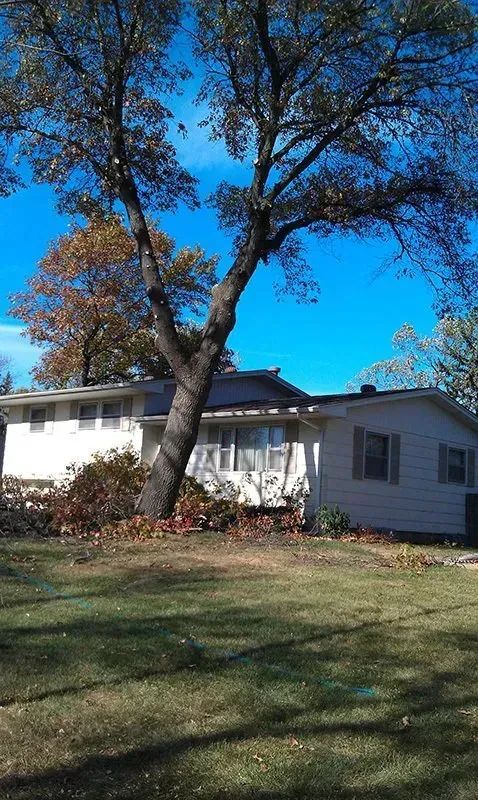
Trees can pose significant risks if not properly maintained. Weak branches, structural defects, or root instability can lead to falling limbs or complete tree failure. Certified arborists conduct risk assessments to identify potential hazards and implement corrective measures.
This may involve removing compromised branches, installing support systems such as cabling or bracing, or recommending removal when necessary. These actions are critical for protecting people, property, and surrounding landscapes.
4. Tree Removal and Emergency Services
When Tree Removal Becomes Necessary
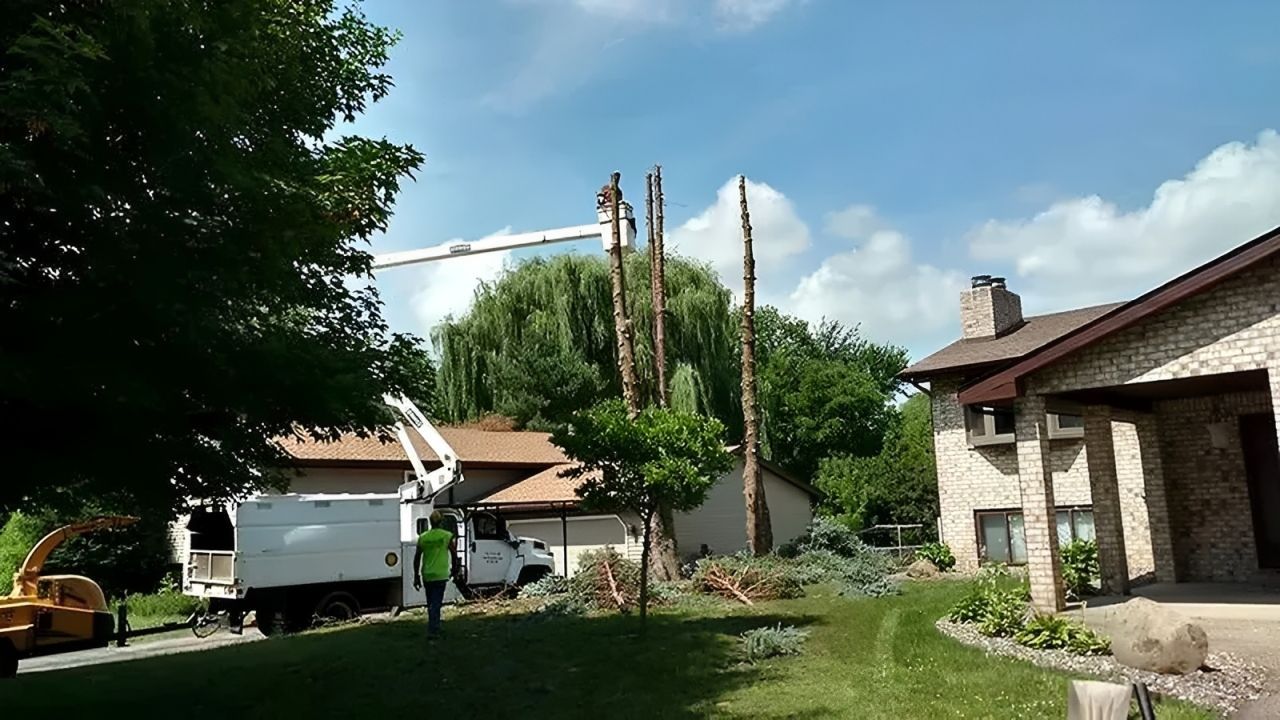
While preserving trees is always a priority, there are situations where removal is the safest and most practical option. Certified arborists evaluate factors such as disease severity, structural instability, and proximity to structures before recommending removal. This decision is never taken lightly, as it involves balancing environmental impact with safety concerns.
Tree removal requires specialized equipment and expertise to ensure that the process is carried out safely and efficiently. Arborists plan each step carefully, considering factors such as tree size, location, and surrounding obstacles.
Emergency Response and Storm Damage Management
Severe weather events can cause significant damage to trees, leading to hazardous conditions. Certified arborists provide emergency services to address fallen or damaged trees, clear debris, and stabilize affected areas. Quick response is essential to prevent further damage and restore safety.
In these situations, arborists assess the extent of damage and determine whether trees can be salvaged or must be removed. Their expertise ensures that emergency work is conducted safely while minimizing disruption to the property.
5. Planting, Preservation, and Long-Term Tree Care Planning
Selecting the Right Tree for the Right Location
Successful tree care begins with proper planting. Certified arborists guide property owners in selecting tree species that are well-suited to the local climate, soil conditions, and available space. Choosing the right tree reduces maintenance requirements and increases the likelihood of long-term success.
Factors such as growth rate, mature size, and resistance to pests or diseases are carefully considered. Proper planting techniques, including correct depth and spacing, are also critical for establishing healthy root systems.
Developing Sustainable Maintenance Plans
Long-term tree care requires a proactive approach. Certified arborists develop maintenance plans that include regular inspections, pruning schedules, and soil management strategies. These plans are tailored to the specific needs of each landscape, ensuring consistent care over time.
Sustainable practices, such as minimizing chemical use and promoting natural growth patterns, are often emphasized. This approach not only benefits individual trees but also supports broader environmental health.
6. Benefits and Challenges of Professional Arborist Services
Key Benefits for Property Owners
Hiring a certified arborist provides numerous advantages. Professional expertise ensures that trees are properly maintained, reducing the risk of costly damage or premature removal. Healthy trees enhance property value, improve air quality, and contribute to overall landscape aesthetics.
Arborists also provide peace of mind by addressing potential hazards before they become serious problems. Their ability to diagnose and treat issues early can save significant time and resources in the long run.
Common Challenges and Industry Considerations
Despite their expertise, arborists face several challenges in their work. Environmental factors such as climate change, invasive species, and urban development can complicate tree care efforts. Additionally, misconceptions about tree maintenance often lead to improper practices by untrained individuals.
Educating property owners about the importance of professional tree care remains a key aspect of the arborist’s role. By promoting best practices and raising awareness, arborists help ensure that trees are managed responsibly and sustainably.
Experienced Arborist Professionals Committed to Quality Care
TWIN PINES TREE CARE & LANDSCAPING stands as a trusted authority in the tree services and land clearing industry, delivering dependable solutions backed by over 25 years of hands-on experience. Based in Maple Plain, Minnesota, our approach reflects a deep understanding of arboriculture principles combined with practical expertise tailored to diverse property needs. We focus on providing precise, informed, and safety-driven tree care services that align with industry standards and long-term landscape health.
Our work emphasizes accurate tree assessments, strategic maintenance, and responsible removal practices, ensuring every project supports both safety and sustainability. With decades of experience, we have developed a reputation for reliability, attention to detail, and consistent results across residential and commercial projects. Every service is guided by a commitment to preserving tree health wherever possible while addressing risks effectively when necessary.
We believe that
professional tree care is an investment in property value, environmental balance, and long-term landscape performance. By combining knowledge, experience, and a client-focused approach, we continue to deliver solutions that meet the highest expectations in tree care and land management.